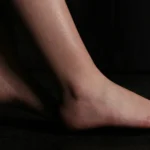
A swollen wound can be part of healing—or a warning sign of infection. Learn why wounds swell, common causes, and when swelling needs medical care.
Swelling around a wound is one of the most common changes people notice during healing. A cut, scrape, or surgical incision may look puffy, tight, or raised, especially in the first few days. This can be uncomfortable and concerning. Many people wonder why a wound is swollen and whether it’s part of healing or a sign of infection.
In many cases, swelling is part of the body’s normal healing response. But swelling that worsens, spreads, or lasts longer than expected may signal infection, fluid buildup, or circulation problems. Understanding why a wound is swollen—and how swelling should change over time—helps prevent small problems from becoming serious complications.
This guide explains common causes of wound swelling, how infection affects swelling, the role of fluid buildup and circulation, and when swelling becomes dangerous and needs medical care.
Causes of Wound Swelling During Healing
Wound swelling occurs when fluid accumulates in the tissue around an injury. This fluid buildup is often caused by inflammation, which is the body’s natural response to tissue damage.
When skin is injured, blood vessels widen and become more permeable. This allows fluid, immune cells, and proteins to move into the area to support healing. As a result, the tissue may appear swollen, firm, or puffy.
Common causes of wound swelling include:
- Normal inflammatory response
- Tissue injury or surgery
- Ongoing pressure or movement
- Fluid buildup
- Poor circulation
- Infection
Swelling alone does not mean a wound is infected. The key is how swelling changes over time.
Inflammatory Response
Inflammation is the body’s first step in healing. It helps clean the wound and protect against bacteria.
During inflammation:
- Blood flow increases
- Fluid moves into the tissue
- Immune cells gather at the wound site
This process causes swelling, redness, warmth, and sometimes mild pain. In early healing, these changes are expected and often peak within the first few days.
Normal inflammatory swelling should:
- Stay localized near the wound
- Gradually improve
- Decrease as healing progresses
When inflammation does not calm down, swelling may persist or worsen instead of improving.
Tissue Damage and Trauma
The amount of swelling often reflects how much tissue was injured. Larger or deeper wounds disrupt more blood vessels and tissue, leading to more fluid leakage.
Swelling may be more noticeable with:
- Surgical incisions
- Crush injuries
- Deep cuts or lacerations
- Burns
In these cases, swelling may last longer than with minor wounds. As long as swelling slowly improves and no other warning signs appear, it may still be part of normal healing.
Infection-Related Wound Swelling
Wound Infection is one of the most concerning causes of wound swelling. When bacteria multiply in a wound, the immune system responds aggressively. This increases inflammation and fluid production.
Swelling related to infection often behaves differently than normal healing swelling.
Signs Wound Swelling May Be Caused by Infection
Swelling related to infection may:
- Increase instead of improve
- Spread beyond the wound edges
- Feel firm or tight
- Be accompanied by redness and heat
- Occur with drainage or foul odor
Infected wounds often show multiple warning signs at the same time.
Other symptoms may include:
- Worsening pain or tenderness
- Fever or chills
- Delayed healing
- Skin that appears shiny or stretched
Swelling that continues to worsen after the first few days of healing should always be evaluated.
Why Infection Causes More Wound Swelling
Bacteria trigger a stronger immune response. Blood vessels become even more permeable, allowing more fluid to leak into surrounding tissue.
This creates pressure within the tissue, which:
- Increases pain
- Slows blood flow
- Delays healing
- Forces fluid outward
As swelling increases, the wound environment becomes less stable and more prone to complications.
Fluid Buildup and Circulation Issues
Swelling is not always caused by infection or inflammation alone. Problems with fluid movement and circulation can also cause wounds to swell.
Edema
Edema refers to fluid accumulation in the tissue. It is especially common in the lower legs, ankles, and feet.
Edema-related swelling may:
- Develop gradually
- Feel soft or pitting
- Worsen later in the day
- Improve with elevation
Edema increases pressure around a wound, making it harder for fluid to drain and for oxygen to reach the tissue.
Wounds surrounded by edema often:
- Heal more slowly
- Leak fluid
- Appear swollen even without infection
Poor Venous Return
Veins carry blood and fluid back toward the heart. When venous return is impaired, fluid pools in the tissue instead of being reabsorbed.
Poor venous return is common in people with:
- Chronic venous insufficiency
- Varicose veins
- Heart failure
- Prolonged sitting or standing
In these cases, swelling may worsen when the wound is below heart level and improve with rest or elevation.
Poor venous return makes wound swelling harder to resolve and increases the risk of delayed healing.
Poor Circulation
Arterial circulation delivers oxygen and nutrients needed for healing. When circulation is impaired, swelling may persist even when inflammation is mild.
Poor circulation is more common in:
- Older adults
- People with diabetes
- Peripheral artery disease
- Smokers
Inadequate blood flow limits the body’s ability to clear excess fluid and repair tissue, allowing swelling to linger.
When Wound Swelling is Dangerous
Not all swelling is an emergency, but certain patterns should never be ignored.
Swelling becomes dangerous when it:
- Rapidly increases
- Spreads beyond the wound
- Causes severe pain or tightness
- Is accompanied by fever or chills
- Limits movement or sensation
- Does not improve over time
These signs suggest that swelling may be caused by infection, deep tissue damage, or compromised circulation.
Compartment Pressure and Tissue Damage
Severe swelling can increase pressure within tissue compartments. When pressure rises too high, it restricts blood flow even further.
This can lead to:
- Tissue death
- Nerve damage
- Severe pain
- Loss of function
Although uncommon, rapidly worsening swelling should be evaluated urgently.
Swelling and Skin Breakdown
Persistent swelling stretches the skin, making it more fragile. Over time, this can cause:
- Skin cracking
- Blistering
- Wound enlargement
- Increased infection risk
Managing swelling is essential to protecting both the wound and surrounding skin.
How Swelling Changes During Healing
Understanding how swelling should behave helps distinguish normal healing from complications.
Early Healing
- Swelling appears within hours or days
- Peaks early
- Gradually decreases
Delayed Healing
- Swelling stays the same
- Improvement stalls
- Healing slows
Complicated Healing
- Swelling worsens
- New symptoms develop
- Infection risk increases
Trend matters more than appearance on any single day.
How Movement and Position Affect Swelling
Swelling often changes with activity.
Swelling may increase:
- After walking or standing
- Later in the day
- With prolonged sitting
Swelling may decrease:
- With rest
- With elevation
- Overnight
Temporary swelling that improves with rest is often circulation-related rather than infectious.
Why Swelling Can Appear Without Pain
Pain is not always present with wound swelling.
Reduced pain sensation is common in:
- Diabetes
- Neuropathy
- Spinal cord injury
- Older adults
In these cases, swelling may be the only visible sign of a problem. Visual checks are especially important when pain is unreliable.
How Wound Care Practices Affect Swelling
Wound care choices influence swelling.
Swelling may worsen when:
- Dressings are too tight
- Bandages trap moisture
- Pressure is not relieved
- Wounds are repeatedly disturbed
Proper dressing fit and pressure relief help control swelling and support healing.
Why Wound Swelling Can Interfere With Wound Healing
Swelling does more than change how a wound looks. Excess fluid around a wound can directly interfere with the healing process. When tissue becomes swollen, pressure builds within the skin and underlying structures. This pressure makes it harder for oxygen and nutrients to reach the wound.
Oxygen is essential for healing. It supports new tissue growth and helps immune cells fight bacteria. When swelling limits oxygen delivery, healing slows. Even wounds that are otherwise well cared for may struggle to improve if swelling remains uncontrolled.
Swelling can also delay healing by:
- Reducing blood flow to fragile tissue
- Making wound edges harder to close
- Increasing tension on healing skin
- Causing discomfort that limits movement
Over time, persistent swelling keeps wounds stuck in an inflammatory state instead of allowing them to progress into the rebuilding phase of healing.
How Wound Swelling Affects Wound Drainage
Swelling and drainage often occur together. When fluid builds up in surrounding tissue, it increases pressure inside the wound. This pressure can force fluid outward, leading to ongoing leakage or oozing.
Wounds affected by swelling may:
- Leak clear or pink fluid
- Soak dressings more quickly
- Appear wet despite proper care
- Develop irritation around the wound edges
Drainage caused by swelling does not always mean infection. However, when swelling and drainage increase together, the wound environment becomes less stable. Managing swelling often reduces excess drainage and helps the wound seal more effectively.
Why Wound Swelling Can Return After An Initial Improvement
Many patients notice swelling improves at first, then comes back days later. This can be confusing and discouraging.
Swelling may return when:
- Activity level increases
- The wound is placed below heart level
- Dressings or footwear add pressure
- Fluid shifts throughout the day
This does not always mean healing has failed. Swelling often fluctuates during recovery. The key concern is whether swelling continues to worsen or stops improving altogether.
Tracking when swelling increases—such as later in the day or after standing—can help determine whether circulation or pressure is contributing rather than infection.
Why Wound Swelling Persists in Chronic Wounds
Chronic wounds remain in an inflammatory state for long periods. This leads to ongoing swelling that may never fully disappear.
In chronic wounds:
- Fluid cycles in and out
- Tissue becomes fragile
- Swelling fluctuates
Changes in swelling are still meaningful. Sudden increases may signal infection or worsening circulation.
Who Is at Higher Risk for Problematic Wound Swelling
Swelling is more likely to become dangerous in people with:
- Diabetes
- Poor circulation
- Heart disease
- Kidney disease
- Limited mobility
- Older age
In these groups, early evaluation is especially important.
What People Can Do to Monitor Wound Swelling
People can help manage wound swelling by:
- Checking the wound daily
- Watching for changes in size or firmness
- Noting when swelling improves or worsens
- Elevating the area when appropriate
- Reporting worsening symptoms early
Tracking patterns over time provides valuable information for care decisions.
When to Seek Medical Care
Seek medical care if wound swelling:
- Increases instead of improving
- Becomes painful or tight
- Is accompanied by redness, heat, or drainage
- Causes fever or chills
- Interferes with movement
- Does not improve with basic care
Early care prevents complications and supports healing.
The Role of Elevation in Reducing Wound Swelling
Elevation helps reduce swelling by allowing gravity to assist fluid return toward the heart. This is especially helpful for wounds on the legs, ankles, or feet.
Elevation works best when:
- The wound is raised above heart level
- The position is maintained for extended periods
- It is combined with movement when appropriate
Elevation does not replace medical care, but it can significantly reduce swelling related to fluid pooling. When swelling improves with elevation but returns when the limb is lowered, circulation issues are often involved.
Why Wound Swelling Deserves Early Attention
Swelling is often one of the first visible signs that a wound is under stress. Addressing swelling early helps prevent a cascade of complications.
Early attention to swelling can:
- Improve oxygen delivery
- Reduce drainage and skin breakdown
- Lower infection risk
- Shorten healing time
Ignoring swelling allows pressure and inflammation to build. Over time, this increases the risk of delayed healing, wound enlargement, and infection.
Key Takeaway
Swelling around a wound is common, especially early in healing, but it should always be monitored closely. Swelling that gradually improves is often part of the body’s repair process. When swelling spreads, worsens, or begins to limit comfort or movement, it may signal that healing is under strain.
The most important clue is change over time. Swelling that settles as days pass is reassuring, while swelling that lingers or intensifies may point to infection, fluid buildup, or circulation problems. Paying attention to these patterns—and seeking evaluation early—can prevent a manageable wound from becoming more complicated.
Concerned About Infection?
If your wound is swollen and not improving—or if swelling is getting worse—it may be a sign of infection. Learn the early warning signs and when treatment matters.
References:
1. Schilrreff, P., et al. (2022). Chronic inflammation in non-healing skin wounds and advanced therapeutic approaches.[Journal/Publisher]. PMID: 35563319.
2. Ding, X., Tang, Q., Xu, Z., Xu, Y., Zhang, H., Zheng, D., Wang, S., Tan, Q., Maitz, J., Maitz, P. K., Yin, S., Wang, Y., & Chen, J. (2022). Challenges and innovations in treating chronic and acute wound infections: from basic science to clinical practice. Burns & trauma, 10, tkac014.
3. Lent-Schochet, D., & Jialal, I. (2025). Physiology, edema (Updated 2023 May 1). In StatPearls. StatPearls Publishing.
4. Castera, M. R., & Borhade, M. B. (2025). Fluid management (Updated 2025 April 29). In StatPearls. StatPearls Publishing.
5. Zabaglo, M., Leslie, S. W., & Sharman, T. (2025). Postoperative wound infections (Updated 2024 March 5). In StatPearls. StatPearls Publishing.