Wound Dock™

Why is your wound bleeding and not stopping? Learn common causes  of persistent wound bleeding, warning signs of complications, and when to seek medical care.

Seeing a wound that won’t stop bleeding can be frightening. Most minor cuts and surgical incisions stop bleeding within minutes. So when bleeding continues longer than expected, it raises concern.  Some bleeding is normal in the early stages of injury. But persistent bleeding, repeated bleeding, or bleeding that restarts after stopping may signal an underlying issue.

Understanding why your wound won’t stop bleeding helps you know when it’s normal—and when it’s not.

What Is Normal Wound Bleeding?

Wound InfectedBleeding is part of the body’s natural response to injury. When skin is cut or damaged, blood vessels constrict and platelets form a clot to seal the wound.

For small cuts, bleeding typically slows within a few minutes with steady pressure. Surgical incisions may have light oozing for 24 to 48 hours.

Normal early bleeding may look like:

  • Bright red blood that slows with pressure
  • Light oozing from stitches
  • Small spotting on dressings
  • Mild bleeding after dressing changes

Bleeding becomes concerning when it does not respond to pressure or continues beyond the expected timeframe.

Common Reasons a Wound Keeps Bleeding

Several factors can interfere with clot formation and wound stability.

Inadequate Pressure

The most common reason bleeding continues is insufficient pressure. A clot needs steady, firm pressure for several minutes to stabilize.  Stopping pressure too soon can restart bleeding.

Disrupted Clot

Clots are fragile early on. Picking at scabs, removing dressings too quickly, or bumping the wound can reopen small vessels.

Infection

Infection increases inflammation and may damage fragile new blood vessels, causing bleeding to restart.

Signs infection may be present include:

  • Increasing redness
  • Warmth
  • Swelling
  • Pus-like drainage
  • Fever

If bleeding is accompanied by these symptoms, evaluation is important.

Medications That Affect Clotting

Certain medications can make bleeding harder to control, including:

  • Blood thinners (anticoagulants)
  • Aspirin
  • Antiplatelet medications
  • Some herbal supplements

These medications do not prevent healing, but they can prolong bleeding.

High Blood Pressure

Elevated blood pressure increases pressure inside blood vessels. This can make clots less stable and cause wounds to bleed longer.

Underlying Bleeding Disorders

Some people have clotting disorders that affect the body’s ability to stop bleeding properly. If wounds frequently bleed excessively, medical evaluation is recommended.

Trauma to the Area

Repeated friction, movement, or tension can reopen small blood vessels.

This is common with:

  • Knee or elbow wounds
  • Abdominal incisions
  • Areas exposed to tight clothing
  • Wounds over joints

When Bleeding After Surgery Is Concerning

Mild spotting on a surgical dressing can be normal. However, bleeding is concerning if you notice:

  • Rapid soaking of bandages
  • Bright red blood that continues flowing
  • Increasing swelling or firmness under the incision
  • Sudden severe pain
  • Blood pooling beneath the skin

Bleeding beneath the skin may form a hematoma. This can create pressure and delay healing.

Contact your surgeon if bleeding increases instead of improving. Persistent bleeding after surgery is not common and should always be evaluated.

What to Do if a Wound Won’t Stop Bleeding

If your wound is bleeding:

  • Apply firm, direct pressure with clean gauze
  • Maintain steady pressure for at least 10–15 minutes
  • Do not repeatedly lift the gauze to check
  • Elevate the area if possible
  • Replace soaked dressings without removing pressure for too long

If bleeding does not slow after sustained pressure, seek urgent care.

Avoid applying powders, sprays, or unapproved substances unless directed by a healthcare provider.

When to Seek Immediate Medical Care

Seek emergency care if you notice:

  • Bleeding that does not stop after 15 minutes of firm pressure
  • Large amounts of bright red blood
  • Spurting blood
  • Signs of shock (dizziness, weakness, pale skin)
  • Rapid swelling or expanding bruising
  • Severe pain
  • Deep wounds exposing muscle or bone

These may indicate significant vessel injury or impaired clotting.

Why Bleeding May Restart After It Stops

Some wounds stop bleeding initially, then begin again hours later.

This can happen because:

  • The clot was disturbed
  • Blood pressure increased
  • Movement stretched the wound
  • Infection weakened the tissue
  • The wound was not fully sealed internally

If bleeding repeatedly restarts, the wound may need reinforcement or medical evaluation.

Can Stress or Anxiety Cause Bleeding?

Stress itself does not directly cause bleeding. However, stress can elevate blood pressure temporarily, which may affect clot stability in some cases.  Managing stress supports overall healing but should not replace medical evaluation for persistent bleeding.

How Blood Sugar Affects Bleeding

In people with diabetes, high blood sugar can impair clot formation and delay healing.

Poor glucose control may increase the risk of infection and fragile blood vessels. Monitoring blood sugar carefully during wound healing improves outcomes. Blood sugar is just one piece of the picture.

Risk Factors for Prolonged Wound Bleeding

Certain factors increase the risk that a wound will bleed longer than expected:

  • Use of blood-thinning medications
  • High blood pressure
  • Liver disease
  • Bleeding disorders
  • Vitamin deficiencies
  • Recent surgery
  • Diabetes
  • Smoking

If you have multiple risk factors, report persistent bleeding promptly.

Signs Bleeding Is Becoming Dangerous Watch for:

  • Continuous bright red bleeding
  • Blood soaking through multiple dressings
  • Lightheadedness
  • Shortness of breath
  • Rapid heartbeat
  • Cool or clammy skin

These signs may indicate significant blood loss.

How Doctors Evaluate Persistent Bleeding

If bleeding does not stop, your provider may assess:

  •  Blood pressure
  • Medication history
  • Clotting function
  • Wound depth
  • Vessel injury
  • Signs of infection
  • Hematoma formation

In some cases, lab tests or imaging may be required.

Treatment may include:

  • Suturing
  • Cauterization
  • Medication adjustments
  • Pressure dressings
  • Drainage of hematoma

Preventing Recurrent Bleeding

To reduce the risk of ongoing bleeding:

  • Follow wound care instructions carefully
  • Avoid heavy lifting if advised
  • Protect the area from friction
  • Monitor blood pressure
  • Take medications exactly as prescribed
  • Inform your provider if you are on blood thinners
  • Avoid picking at scabs

Consistency and protection support clot stability.

Emotional Impact of Persistent Bleeding

Bleeding can trigger anxiety quickly. Blood is visible and dramatic, even when the amount is small.

While persistent bleeding should be taken seriously, many cases resolve with proper pressure and evaluation.

Acting calmly and promptly reduces risk.

Why a Wound May Bleed Under the Skin

Not all bleeding is visible. Sometimes blood collects beneath the surface of the skin. This is called a hematoma.

A hematoma may cause:

  • Swelling that feels firm
  • Deep bruising
  • Increasing pressure or tightness
  • Throbbing pain
  • Skin that appears stretched or shiny

Unlike surface bleeding, a hematoma does not drain easily. Instead, blood pools in the tissue.

Small hematomas may resolve on their own. Larger ones may require drainage to prevent delayed healing or infection.

If you notice swelling that continues to grow or feels tense and painful, contact your provider promptly.

Wound Bleeding and Surgical Drains

After certain surgeries, drains are placed to remove excess blood or fluid. Some drainage is expected.

However, contact your surgeon if you notice:

  • A sudden increase in bright red drainage
  • Clots in the drain tubing
  • Rapid filling of the collection bulb
  • Drain output that increases instead of decreases

Drain output should gradually lessen over time. Increasing output may signal ongoing bleeding.

When Wound Bleeding Is Related to Activity

Sometimes a wound bleeds only after movement.

This can happen because:

  • Activity increases blood pressure
  • Muscles pull against stitches
  • Friction irritates fragile tissue
  • Internal sutures are stressed

If bleeding occurs after exercise, lifting, or stretching, reduce activity and monitor closely.

Follow your provider’s timeline for returning to normal movement. Even if a wound looks healed on the surface, deeper layers may still be fragile.

Wound Bleeding in the First 24 Hours

The first 24 hours after an injury or procedure are the most likely time for bleeding

During this phase:

  • Blood vessels are sealing
  • Clots are forming
  • Tissue is inflamed

Mild oozing during this window can be normal. Bright red, continuous bleeding is not.  Keeping the area elevated and minimizing movement during this early phase helps stabilize clot formation.

Wound Bleeding Days Later

Bleeding that starts several days after injury may be caused by:

  • Infection
  • Suture irritation
  • Scab disruption
  • Increased blood pressure
  • Trauma to the area

Bleeding that occurs after the initial healing period should be evaluated if it is more than mild spotting.

How Infection Makes Wound Bleeding Worse

Infection increases inflammation. Inflamed tissue is fragile and more likely to bleed.

Infected wounds may:

  • Appear red and swollen
  • Feel warm
  • Produce thick drainage
  • Bleed easily when touched

Treating infection often improves bleeding stability.

Special Considerations for People on Blood Thinners

If you take anticoagulants, your provider may adjust medication if bleeding becomes frequent.  Never stop blood thinners without medical guidance. Sudden discontinuation can increase the risk of serious complications.

Instead, contact your provider if:

  • Bleeding episodes are frequent
  • You require prolonged pressure to stop bleeding
  • You develop large bruises
  • Bleeding worsens unexpectedly

Medication adjustments are sometimes necessary.

Wound Bleeding and Nutritional Deficiencies

Certain deficiencies can interfere with clotting and vessel strength.

Low levels of:

  • Vitamin K
  • Vitamin C
  • Iron
  • Protein

All may contribute to fragile tissue or delayed clot stability.  If wounds bleed repeatedly or healing is slow, your provider may recommend lab testing.  Balanced nutrition supports both clotting and tissue repair.

Warning Signs of Significant Blood Loss

While most wound bleeding is minor, severe blood loss can become dangerous.

Watch for:

  • Dizziness
  • Weakness
  • Pale or cool skin
  • Rapid heartbeat
  • Shortness of breath
  • Confusion

These symptoms require emergency care. Do not delay seeking help if you feel faint or unwell alongside ongoing bleeding.

How Long Does It Take for a Clot to Fully Stabilize?

A clot begins forming within minutes. However, full stabilization takes longer.

In the first few hours:

  • The clot is soft and easily disrupted
  • Within 24–48 hours:
  • The clot becomes more secure
  • Tissue begins rebuilding

Even after surface healing appears complete, new blood vessels remain delicate.  Avoid disturbing scabs prematurely. They act as natural protection.  When Bleeding Means the Wound Needs Closure Again Sometimes bleeding indicates the wound edges are separating.

If you notice:

  • The incision widening
  • Bleeding from deeper layers
  • Tissue visible beneath the skin

The wound may need reinforcement.

Prompt evaluation may allow:

  • Additional sutures
  • Sterile adhesive strips
  • Pressure dressings
  • Surgical correction if necessary

Early correction improves healing outcomes.

Protecting a Healing Wound From Re-Bleeding

To prevent recurrent bleeding:

  • Follow lifting restrictions carefully
  • Protect the wound from friction
  • Avoid soaking in baths unless cleared
  • Keep dressings secure
  • Monitor blood pressure
  • Take medications as directed

If bleeding episodes continue despite precautions, further evaluation is necessary. If bleeding continues despite these steps, more specialized care may be needed.

When to Consider a Wound Specialist

If your wound:

  • Bleeds repeatedly
  • Does not stabilize
  • Is complicated by infection
  • Shows delayed healing
  • Is associated with circulation issues

A wound care specialist may be helpful.

Specialists assess clot stability, circulation, tissue health, and risk factors that may not be obvious during routine visits.

Early referral often prevents long-term complications.

The Bottom Line

Most wounds stop bleeding quickly with proper pressure. When bleeding continues, restarts, or increases, it may signal infection, clot disruption, medication effects, or vessel injury.  Persistent bleeding should never be ignored. Early evaluation protects healing and prevents complications.

If your wound is bleeding and won’t stop, do not wait for it to resolve on its own. Apply steady pressure and contact a healthcare provider or locate a wound care clinic if bleeding continues.  Early evaluation can prevent infection, blood loss, and delayed healing. Prompt evaluation can prevent complications and support safe recovery.

References:

Cleveland Clinic. (2024, November 27). Hemostasis: What it is & stages. Cleveland Clinic. Retrieved February 15, 2026

Cleveland Clinic. (2024, April 24). Hemorrhage: What it is, causes, symptoms & treatment. Cleveland Clinic. Retrieved February 15, 2026

Halme, A. L. E., Roshanov, P. S., Tornberg, S. V., Lavikainen, L. I., Devereaux, P. J., Tikkinen, K. A. O., … VISION Investigators. (2024). Timing of major postoperative bleeding among patients undergoing surgery: A cohort study. JAMA Network Open, 7(4), Article e244581.

Mayo Clinic Staff. (2024, October 16). Severe bleeding: First aid. Mayo Clinic. Retrieved February 15, 2026

Subramanian, K., Pravallika, M., & Menon, V. (2018). Evidence for stress-induced bleeding in a patient with von Willebrand factor deficiency. Indian Journal of Psychological Medicine, 40(3), 292–295.

Cleveland Clinic. (2024, November 14). Hematoma: Definition, types & treatment.  Cleveland Clinic. Retrieved February 15, 2026

Kaiser Permanente. (2025, October 1). Surgical drain care: Care instructions. Kaiser Permanente Health Encyclopedia. Retrieved February 15, 2026

Yu, J. C., Shliakhtsitsava, K., Wang, Y. M., Paul, M., Farnaes, L., Wong, V., Kim, J., & Thornburg, C. D. (2019). Hematologic manifestations of nutritional deficiencies: Early recognition is essential to prevent serious complications. Journal of Pediatric Hematology/Oncology, 41(3), e182–e185.
A swollen wound can be part of healing—or a warning sign of infection. Learn why wounds swell, common causes, and when swelling needs medical care.

Swelling around a wound is one of the most common changes people notice during healing. A cut, scrape, or surgical incision may look puffy, tight, or raised, especially in the first few days.  This can be uncomfortable and concerning. Many people wonder why a wound is swollen and whether it’s part of healing or a sign of infection.

In many cases, swelling is part of the body’s normal healing response. But swelling that worsens, spreads, or lasts longer than expected may signal infection, fluid buildup, or circulation problems. Understanding why a wound is swollen—and how swelling should change over time—helps prevent small problems from becoming serious complications.

This guide explains common causes of wound swelling, how infection affects swelling, the role of fluid buildup and circulation, and when swelling becomes dangerous and needs medical care.

Causes of Wound Swelling During Healing

Wound swelling occurs when fluid accumulates in the tissue around an injury. This fluid buildup is often caused by inflammation, which is the body’s natural response to tissue damage.

When skin is injured, blood vessels widen and become more permeable. This allows fluid, immune cells, and proteins to move into the area to support healing. As a result, the tissue may appear swollen, firm, or puffy.

Common causes of wound swelling include:

  • Normal inflammatory response
  • Tissue injury or surgery
  • Ongoing pressure or movement
  • Fluid buildup
  • Poor circulation
  • Infection

Swelling alone does not mean a wound is infected. The key is how swelling changes over time.

Inflammatory Response

Inflammation is the body’s first step in healing. It helps clean the wound and protect against bacteria.

During inflammation:

  • Blood flow increases
  • Fluid moves into the tissue
  • Immune cells gather at the wound site

This process causes swelling, redness, warmth, and sometimes mild pain. In early healing, these changes are expected and often peak within the first few days.

Normal inflammatory swelling should:

  • Stay localized near the wound
  • Gradually improve
  • Decrease as healing progresses

When inflammation does not calm down, swelling may persist or worsen instead of improving.

Tissue Damage and Trauma

The amount of swelling often reflects how much tissue was injured. Larger or deeper wounds disrupt more blood vessels and tissue, leading to more fluid leakage.

Swelling may be more noticeable with:

In these cases, swelling may last longer than with minor wounds. As long as swelling slowly improves and no other warning signs appear, it may still be part of normal healing.

Infection-Related Wound Swelling

Wound Infection is one of the most concerning causes of wound swelling. When bacteria multiply in a wound, the immune system responds aggressively. This increases inflammation and fluid production.

Swelling related to infection often behaves differently than normal healing swelling.

Signs Wound Swelling May Be Caused by Infection

Swelling related to infection may:

  • Increase instead of improve
  • Spread beyond the wound edges
  • Feel firm or tight
  • Be accompanied by redness and heat
  • Occur with drainage or foul odor

Infected wounds often show multiple warning signs at the same time.

Other symptoms may include:

  • Worsening pain or tenderness
  • Fever or chills
  • Delayed healing
  • Skin that appears shiny or stretched

Swelling that continues to worsen after the first few days of healing should always be evaluated.

Why Infection Causes More Wound Swelling

Bacteria trigger a stronger immune response. Blood vessels become even more permeable, allowing more fluid to leak into surrounding tissue.

This creates pressure within the tissue, which:

  • Increases pain
  • Slows blood flow
  • Delays healing
  • Forces fluid outward

As swelling increases, the wound environment becomes less stable and more prone to complications.

Fluid Buildup and Circulation Issues

Swelling is not always caused by infection or inflammation alone. Problems with fluid movement and circulation can also cause wounds to swell.

Edema

Edema refers to fluid accumulation in the tissue. It is especially common in the lower legs, ankles, and feet.

Edema-related swelling may:

  • Develop gradually
  • Feel soft or pitting
  • Worsen later in the day
  • Improve with elevation

Edema increases pressure around a wound, making it harder for fluid to drain and for oxygen to reach the tissue.

Wounds surrounded by edema often:

  • Heal more slowly
  • Leak fluid
  • Appear swollen even without infection

Poor Venous Return

Veins carry blood and fluid back toward the heart. When venous return is impaired, fluid pools in the tissue instead of being reabsorbed.

Poor venous return is common in people with:

  • Chronic venous insufficiency
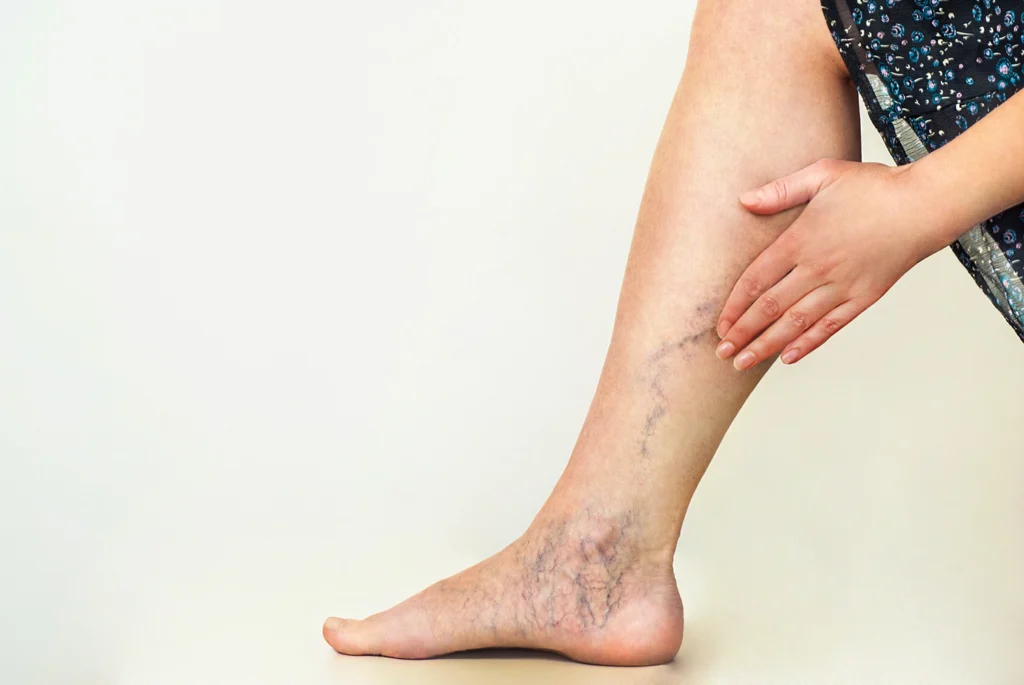
  • Varicose veins
  • Heart failure
  • Prolonged sitting or standing

In these cases, swelling may worsen when the wound is below heart level and improve with rest or elevation.

Poor venous return makes wound swelling harder to resolve and increases the risk of delayed healing.

Poor Circulation

Arterial circulation delivers oxygen and nutrients needed for healing. When circulation is impaired, swelling may persist even when inflammation is mild.

Poor circulation is more common in:

  • Older adults
  • People with diabetes
  • Peripheral artery disease
  • Smokers

Inadequate blood flow limits the body’s ability to clear excess fluid and repair tissue, allowing swelling to linger.

When Wound Swelling is Dangerous

Not all swelling is an emergency, but certain patterns should never be ignored.

Swelling becomes dangerous when it:

  • Rapidly increases
  • Spreads beyond the wound
  • Causes severe pain or tightness
  • Is accompanied by fever or chills
  • Limits movement or sensation
  • Does not improve over time

These signs suggest that swelling may be caused by infection, deep tissue damage, or compromised circulation.

Compartment Pressure and Tissue Damage

Severe swelling can increase pressure within tissue compartments. When pressure rises too high, it restricts blood flow even further.

This can lead to:

  • Tissue death
  • Nerve damage
  • Severe pain
  • Loss of function

Although uncommon, rapidly worsening swelling should be evaluated urgently.

Swelling and Skin Breakdown

Persistent swelling stretches the skin, making it more fragile. Over time, this can cause:

Managing swelling is essential to protecting both the wound and surrounding skin.

How Swelling Changes During Healing

Understanding how swelling should behave helps distinguish normal healing from complications.

Early Healing

  • Swelling appears within hours or days
  • Peaks early
  • Gradually decreases

Delayed Healing

  • Swelling stays the same
  • Improvement stalls
  • Healing slows

Complicated Healing

  • Swelling worsens
  • New symptoms develop
  • Infection risk increases

Trend matters more than appearance on any single day.

How Movement and Position Affect Swelling

Swelling often changes with activity.

Swelling may increase:

  • After walking or standing
  • Later in the day
  • With prolonged sitting

Swelling may decrease:

  • With rest
  • With elevation
  • Overnight

Temporary swelling that improves with rest is often circulation-related rather than infectious.

Why Swelling Can Appear Without Pain

Pain is not always present with wound swelling.

Reduced pain sensation is common in:

  • Diabetes
  • Neuropathy
  • Spinal cord injury
  • Older adults

In these cases, swelling may be the only visible sign of a problem. Visual checks are especially important when pain is unreliable.

How Wound Care Practices Affect Swelling

Wound care choices influence swelling.

Swelling may worsen when:

  • Dressings are too tight
  • Bandages trap moisture
  • Pressure is not relieved
  • Wounds are repeatedly disturbed

Proper dressing fit and pressure relief help control swelling and support healing.

Why Wound Swelling Can Interfere With Wound Healing

Swelling does more than change how a wound looks. Excess fluid around a wound can directly interfere with the healing process. When tissue becomes swollen, pressure builds within the skin and underlying structures. This pressure makes it harder for oxygen and nutrients to reach the wound.

Oxygen is essential for healing. It supports new tissue growth and helps immune cells fight bacteria. When swelling limits oxygen delivery, healing slows. Even wounds that are otherwise well cared for may struggle to improve if swelling remains uncontrolled.

Swelling can also delay healing by:

  • Reducing blood flow to fragile tissue
  • Making wound edges harder to close
  • Increasing tension on healing skin
  • Causing discomfort that limits movement

Over time, persistent swelling keeps wounds stuck in an inflammatory state instead of allowing them to progress into the rebuilding phase of healing.

How Wound Swelling Affects Wound Drainage

Swelling and drainage often occur together. When fluid builds up in surrounding tissue, it increases pressure inside the wound. This pressure can force fluid outward, leading to ongoing leakage or oozing.

Wounds affected by swelling may:

  • Leak clear or pink fluid
  • Soak dressings more quickly
  • Appear wet despite proper care
  • Develop irritation around the wound edges

Drainage caused by swelling does not always mean infection. However, when swelling and drainage increase together, the wound environment becomes less stable. Managing swelling often reduces excess drainage and helps the wound seal more effectively.

Why Wound Swelling Can Return After An Initial Improvement

Many patients notice swelling improves at first, then comes back days later. This can be confusing and discouraging.

Swelling may return when:

  • Activity level increases
  • The wound is placed below heart level
  • Dressings or footwear add pressure
  • Fluid shifts throughout the day

This does not always mean healing has failed. Swelling often fluctuates during recovery. The key concern is whether swelling continues to worsen or stops improving altogether.

Tracking when swelling increases—such as later in the day or after standing—can help determine whether circulation or pressure is contributing rather than infection.

Why Wound Swelling Persists in Chronic Wounds

Chronic wounds remain in an inflammatory state for long periods. This leads to ongoing swelling that may never fully disappear.

In chronic wounds:

  • Fluid cycles in and out
  • Tissue becomes fragile
  • Swelling fluctuates

Changes in swelling are still meaningful. Sudden increases may signal infection or worsening circulation.

Who Is at Higher Risk for Problematic Wound Swelling

Swelling is more likely to become dangerous in people with:

  • Diabetes
  • Poor circulation
  • Heart disease
  • Kidney disease
  • Limited mobility
  • Older age

In these groups, early evaluation is especially important.

What People Can Do to Monitor Wound Swelling

People can help manage wound swelling by:

  • Checking the wound daily
  • Watching for changes in size or firmness
  • Noting when swelling improves or worsens
  • Elevating the area when appropriate
  • Reporting worsening symptoms early

Tracking patterns over time provides valuable information for care decisions.

When to Seek Medical Care

Seek medical care if wound swelling:

  • Increases instead of improving
  • Becomes painful or tight
  • Is accompanied by redness, heat, or drainage
  • Causes fever or chills
  • Interferes with movement
  • Does not improve with basic care

Early care prevents complications and supports healing.

The Role of Elevation in Reducing Wound Swelling

Elevation helps reduce swelling by allowing gravity to assist fluid return toward the heart. This is especially helpful for wounds on the legs, ankles, or feet.

Elevation works best when:

  • The wound is raised above heart level
  • The position is maintained for extended periods
  • It is combined with movement when appropriate

Elevation does not replace medical care, but it can significantly reduce swelling related to fluid pooling. When swelling improves with elevation but returns when the limb is lowered, circulation issues are often involved.

Why Wound Swelling Deserves Early Attention

Swelling is often one of the first visible signs that a wound is under stress. Addressing swelling early helps prevent a cascade of complications.

Early attention to swelling can:

  • Improve oxygen delivery
  • Reduce drainage and skin breakdown
  • Lower infection risk
  • Shorten healing time

Ignoring swelling allows pressure and inflammation to build. Over time, this increases the risk of delayed healing, wound enlargement, and infection.

Key Takeaway

Swelling around a wound is common, especially early in healing, but it should always be monitored closely. Swelling that gradually improves is often part of the body’s repair process.  When swelling spreads, worsens, or begins to limit comfort or movement, it may signal that healing is under strain.

The most important clue is change over time. Swelling that settles as days pass is reassuring, while swelling that lingers or intensifies may point to infection, fluid buildup, or circulation problems. Paying attention to these patterns—and seeking evaluation early—can prevent a manageable wound from becoming more complicated.

Concerned About Infection?

If your wound is swollen and not improving—or if swelling is getting worse—it may be a sign of infection. Learn the early warning signs and when treatment matters.

References:

1. Schilrreff, P., et al. (2022). Chronic inflammation in non-healing skin wounds and advanced therapeutic approaches.[Journal/Publisher]. PMID: 35563319.

2. Ding, X., Tang, Q., Xu, Z., Xu, Y., Zhang, H., Zheng, D., Wang, S., Tan, Q., Maitz, J., Maitz, P. K., Yin, S., Wang, Y., & Chen, J. (2022). Challenges and innovations in treating chronic and acute wound infections: from basic science to clinical practice. Burns & trauma, 10, tkac014.

3. Lent-Schochet, D., & Jialal, I. (2025). Physiology, edema (Updated 2023 May 1). In  StatPearls. StatPearls Publishing.

4. Castera, M. R., & Borhade, M. B. (2025). Fluid management (Updated 2025 April 29). In StatPearls. StatPearls Publishing.

5. Zabaglo, M., Leslie, S. W., & Sharman, T. (2025). Postoperative wound infections (Updated 2024 March 5). In StatPearls. StatPearls Publishing.

Overview of Venous Leg Ulcers

In this blog, we will discuss venous leg ulcers- what they look like, what they are, how they form and what to do about them. Like many of the conditions we discuss in these blogs, it’s important
to discuss any questions and concerns with your doctor.

Definition and General Information

Venous LegA venous leg ulcer is a type of chronic wound that typically arises due to issues related to venous blood flow. These ulcers usually occur on the lower legs, particularly around the ankle area, and are associated with chronic venous insufficiency, where the veins do not adequately return blood to the heart. Given that venous leg ulcers can take an extended period to heal—often several months or even longer—their impact on overall quality of life can be significant. Understanding their features is essential for anyone, regardless of their medical background, as early recognition can facilitate timely and effective treatment.

Common Locations for Development

Most venous leg ulcers develop in the lower leg, typically on the medial (inner) aspect of the ankle, although they may appear at other locations, including the calf region. The specific location of the ulcer is often indicative of underlying venous issues and can help guide treatment options.

Notably, awareness of common areas for ulcer development allows us to identify potential problems early and seek appropriate medical advice.

Importance of Early Recognition

Recognizing the signs of venous leg ulcers early is crucial. Delayed treatment can lead to further complications, including infection, increased pain, and extended healing times. Our understanding of the signs and symptoms associated with these ulcers becomes vital in preventing a simple wound from developing into a more serious health issue. Prompt medical assessment fosters better management and can significantly influence treatment outcomes.

Symptoms of Venous Leg Ulcers

Visual Characteristics of Ulcers

Venous leg ulcers often appear as irregularly shaped sores with a moist, shallow wound bed. The edges of the ulcer may be uneven, and the surrounding skin may exhibit discoloration or signs of
inflammation. The ulcer often has a reddish or brownish tint due to the presence of hemosiderin from trapped blood cells. Understanding these visual characteristics can assist us in distinguishing venous leg ulcers from other types of leg ulcers.

Common Sensations and Discomforts

Individuals with a venous leg ulcer commonly experience discomfort, which can include a dull aching sensation in the leg as well as increased pain when standing or sitting. Other sensations such as itching, burning, or a feeling of heaviness in the affected limb are also frequent. Being aware of these discomforts helps us recognize the possible onset of an ulcer and motivates us to seek medical attention without delay.

Associated Skin Changes

As we examine the skin surrounding a venous leg ulcer, we often find signs of significant change. The skin may become hardened or indurated, appear discolored, and may even develop signs of eczema or dermatitis. This crusting and color change can indicate that the ulcer is chronic and requires specialized wound care to promote healing.

Causes and Risk Factors

Underlying Venous Conditions

One of the primary causes of venous leg ulcers is chronic venous insufficiency caused by damaged vein valves that lead to poor blood circulation. This malfunction causes blood to pool in the legs, increasing venous pressure and resulting in tissue breakdown. Conditions such as deep vein thrombosis and varicose veins further exacerbate the risk of developing ulcers since they hinder proper blood flow.

Lifestyle and Genetic Factors

Certain lifestyle choices significantly influence the risk of developing venous leg ulcers. Obesity, a sedentary lifestyle with limited physical activity, and smoking can all elevate the risk.  Moreover, genetic predisposition plays a role, with a family history of venous diseases likely increasing our chances of experiencing similar issues.

Age and Other Medical Conditions

As we age, our risk of developing venous leg ulcers increases. Factors such as a previous injury to the leg, paralysis, or conditions like diabetes can further elevate susceptibility. Understanding this risk landscape helps us act proactively in maintaining our leg health and seeking preventive measures, especially if we fall into higher-risk categories.

Diagnosis of Venous Leg Ulcers

Initial Assessment Procedures

Diagnosing a venous leg ulcer typically begins with a thorough physical examination by a healthcare professional. The assessment should include not just an evaluation of the wound itself, but also an inquiry into our overall health history and any conditions that may have contributed to the ulcer’s formation.

Diagnostic Tests Used

To establish a diagnosis, medical professionals may employ a range of diagnostic tests, including the ankle-brachial index (ABI) and Doppler ultrasound imaging. These tests help assess blood flow and identify potential underlying issues with the veins. By undertaking these diagnostic approaches, we receive vital information that can steer the treatment plans for venous leg ulcers.

Importance of Medical History

Our medical history plays a critical role in the diagnosis process. Information regarding previous leg injuries, existing medical conditions, and lifestyle factors can assist healthcare providers in
determining the right course of treatment.  Hence, we should be prepared to provide detailed accounts of our health when seeking care for a potential ulcer.

Treatment Options Available

Standard Treatments and Medications

Treatment options for venous leg ulcers depend on severity and specific characteristics of the ulcer. Commonly, healthcare providers recommend wound care strategies, including keeping the wound clean and covered, applying topical ointments, and utilizing antimicrobial dressings if infection risk is present. Standard medications such as pain relievers may also be prescribed for discomfort management.

Advanced Therapeutic Procedures

For ulcers that do not respond to standard wound care, advanced therapeutic procedures may be necessary. Treatments such as debridement, where necrotic tissue is removed, or advanced therapies like growth factor injections can promote healing.

Additionally, referral to specialist wound care teams may help tailor treatments to our specific needs.

Role of Compression Therapy

Compression therapy is one of the cornerstones in managing venous leg ulcers. The use of compression bandages or stockings helps improve blood flow in the legs, facilitating healing while decreasing swelling. This method is essential for successful outcomes, and adhering to prescribed compression protocols significantly reduces the chance of ulcer recurrence.

Prevention Strategies

Lifestyle Modifications to Reduce Risk

Implementing lifestyle changes can vastly reduce our chances of developing venous leg ulcers.  Maintaining a healthy weight, engaging in regular physical activity, and avoiding prolonged periods of inactivity can improve venous circulation.

Moreover, elevating our legs when seated or lying down can alleviate pressure on the veins, ultimately benefiting leg health.

Importance of Regular Monitoring

Regular monitoring of our leg health—especially if we have a history of venous issues—is essential in prevention efforts. Awareness of any changes in our legs or skin conditions enables us to seek prompt medical evaluations and care. Engaging with healthcare professionals regularly increases the likelihood of timely interventions should any issues arise, so be sure to contact your doctor if you notice any issues, no matter how small.

Recommendations After Healing

Even after a venous leg ulcer has healed, continued vigilance is important to prevent recurrences.  Adhering to compression therapy, maintaining an active lifestyle, and following medical advice for ongoing monitoring can significantly lower the risk of the ulcer returning. We must also prioritize educating ourselves on best practices for care to promote lasting leg health- check here often for subsequent blogs and topics regarding venous leg ulcers and other relevant topics and discussions.

Living with Venous Leg Ulcers

Daily Care and Management Techniques

Living with a venous leg ulcer requires diligent self-care and commitment to daily management practices. Cleaning the ulcer, regular hand washing, and changing dressings as needed, following healthcare provider instructions, and maintaining hygienic practices contribute to successful healing. Ensuring good nutrition can also support our body’s healing processes. Practice makes perfect- and that’s also true of good health practices!

Emotional and Psychological Considerations

Beyond the physical symptoms, dealing with venous leg ulcers can take an emotional toll on individuals. Any type of long-term recovery efforts can be taxing. Feelings of frustration or anxiety about healing and potential complications are common. Support groups and counseling services can provide valuable resources for emotional support, enabling us to share experiences and coping strategies.

Support Resources and Groups

Community support is a critical component of managing venous leg ulcers. Local health organizations, wound care clinics, and online communities can offer resources, education, and connection opportunities. Engaging with these support networks not only empowers us but also enhances our understanding of effective self-management strategies.

Acknowledging the multifaceted nature of venous leg ulcers and addressing them holistically equips us with the knowledge needed for proper management and treatment. By understanding their signs, symptoms, causes, and prevention strategies, we can actively participate in maintaining our leg health and overall well-being.

Reference

1. Venous Ulcer: Symptoms, Causes, Treatment & Prevention
2. Venous Ulcers – Johns Hopkins Medicine
3. Venous Leg Ulcer – StatPearls – NCBI Bookshelf – NIH
4. Venous leg ulcer – NHS
5. Symptoms of a Venous leg ulcers – why is my leg ulcer not healing?

Venous ulcers are slow-healing leg wounds caused by poor circulation. Learn symptoms, causes, treatment options, and how to prevent venous leg ulcers.

Venous ulcers are one of the most common types of chronic leg wounds, especially in adults over 50. These slow-healing sores can be painful, draining, and frustrating—and they often return if the underlying circulation problem isn’t addressed.

The good news is that venous ulcers are treatable.With proper care, circulation support, and early intervention, many people heal their wounds and reduce the risk of recurrence.

This guide explains what venous ulcers are, what causes them, common symptoms, treatment options, healing timelines, and steps you can take to protect your legs long term.

What Is a Venous Ulcer?

A venous ulcer (also called a venous leg ulcer or stasis ulcer) is an open wound that develops when blood does not flow efficiently back to the heart through the leg veins.

Leg veins rely on one-way valves to push blood upward against gravity. When these valves weaken or fail, blood can pool in the lower legs. Over time, this increased pressure damages surrounding tissue, reduces oxygen delivery, and makes the skin fragile. Even minor injuries can then turn into slow-healing wounds.

Venous ulcers most often form near the inner ankle or lower calf, where venous pressure is highest.

Venous Ulcers vs Other Types of Leg Ulcers

Not all leg ulcers are the same. Understanding how venous ulcers differ from other types of leg wounds can help explain why treatment and healing timelines vary.

Venous Ulcers vs Arterial Ulcers

Venous ulcers are caused by poor blood return through the veins, while arterial ulcers are caused by reduced blood flow through the arteries. This difference affects where the wounds appear and how they feel.

Venous ulcers usually form around the inner ankle or lower calf. They are often shallow, may drain fluid, and are commonly associated with leg swelling. Pain may improve when the leg is elevated.

Arterial ulcers are more likely to appear on the toes, heel, or outer foot. They are often deeper, have well-defined edges, and may be very painful, especially at rest or at night. Elevating the leg can make arterial pain worse because it further reduces blood flow.

Venous Ulcers vs Diabetic Ulcers

Diabetic ulcers are usually related to nerve damage and pressure points rather than vein problems. They most often develop on the bottom of the foot or areas exposed to repeated pressure.

Venous ulcers, by contrast, are linked to swelling and circulation issues in the lower leg. People with diabetes can develop venous ulcers, but treatment must account for blood sugar control and reduced sensation.

Why Correct Diagnosis Matters

Because different ulcers require very different treatments, identifying the underlying cause is essential before starting care. Treatments that help one type of ulcer can worsen another. Compression therapy is essential for venous ulcers but may be unsafe for arterial disease. That’s why proper evaluation is critical before starting treatment.

What Causes Venous Ulcers?

Venous ulcers develop when blood cannot move efficiently out of the legs. Several factors increase pressure inside leg veins and damage surrounding tissue, including:

  • Weakened or damaged vein valves
  • Chronic venous insufficiency
  • Previous blood clots (deep vein thrombosis)
  • Varicose veins
  • Prolonged sitting or standing
  • Obesity
  • Pregnancy, aging, or prior leg injury
  • Conditions that increase leg swelling, such as heart failure

Over time, poor circulation leads to inflammation, skin changes, and tissue breakdown.

Common Symptoms of Venous Ulcers

Venous ulcers often develop gradually. Symptoms may appear before the skin breaks open.

Early Warning Signs

  • Leg swelling that worsens throughout the day
  • Aching or heaviness in the legs
  • Itching around the ankle
  • Skin discoloration (reddish-brown or purplish)
  • Tight or hardened skin around the lower leg

What a Venous Ulcer May Look or Feel Like

  • A shallow wound with irregular edges
  • Clear or yellow drainage
  • Mild to moderate pain, often worse with standing
  • Swelling, warmth, or redness around the wound

Signs of Infection (Seek Care Promptly)

  • Thick, cloudy, or foul-smelling drainage
  • Increasing pain or redness
  • Fever, chills, or redness that spreads quickly beyond the wound

What Does a Venous Ulcer Look Like?

Venous ulcers often have a recognizable appearance, but they can change over time as circulation worsens or healing begins.

In the early stages, the skin may look discolored, swollen, or irritated before an open wound appears. The area around the ankle may feel tight or itchy, and the skin can appear shiny or fragile.

Once a venous ulcer forms, it typically looks like a shallow wound with uneven or irregular edges. The base of the ulcer may appear red, pink, or yellow. Clear or yellowish fluid drainage is common, especially when swelling is present.

As the ulcer progresses, the surrounding skin may become darker, thickened, or hardened. This happens because long-term swelling and inflammation damage the skin and underlying tissue.

Signs that a venous ulcer may be worsening include increasing size, heavier drainage, stronger odor, or changes in color. Blackened tissue, rapidly spreading redness, or sudden increases in pain should always be evaluated promptly.

Healing venous ulcers may slowly shrink from the edges inward. Drainage often decreases first, followed by gradual skin closure. Healing is rarely linear, and small setbacks are common.

How Venous Ulcers Are Diagnosed

Diagnosis typically begins with a physical exam and review of your medical history. Providers assess wound location, appearance, and surrounding skin changes.

An ankle-brachial index (ABI) test is often used to compare blood pressure in the ankle and arm. This helps determine whether compression therapy is safe.

Ultrasound imaging may also be used to evaluate blood flow and identify vein damage or clots.

Important Note About Arterial Disease

Some people have both venous and arterial circulation problems. If arteries are narrowed, strong compression may be unsafe. ABI testing helps guide appropriate treatment.

Seek urgent care for new rest pain in the foot, a cold foot, or toes that appear pale or bluish.

Why Compression Matters

Compression is a medical strategy that reduces swelling and helps blood move upward out of the legs. When swelling decreases, tissues receive better oxygen and nutrients, which supports wound healing.

Compression may include:

  • Multi-layer wraps
  • Short-stretch bandages
  • Graduated compression stockings
  • Unna boots in select cases

If compression causes numbness, severe pain, or color changes in the toes, it should be removed and evaluated.

Venous Ulcer Treatment Options

Treatment focuses on healing the wound while correcting the underlying circulation problem.

Compression therapy

Compression stockings or bandages reduce swelling and improve venous return. Consistent use is one of the strongest predictors of healing.

Wound care

Ulcers should be kept clean, protected, and appropriately moist. Dressing selection depends on drainage level and infection risk.

Debridement

Removing dead tissue may help healthy tissue grow and reduce infection risk. The method depends on wound condition and comfort.

Elevation

Raising the legs above heart level several times a day helps reduce swelling and discomfort.

Medications and procedures

Antibiotics are used only when infection is present. In some cases, vein procedures such as ablation may reduce recurrence risk.

Nutrition and Lifestyle Factors That Affect Healing

Healing requires adequate nutrition and circulation. If appetite is low or weight loss is unintentional, healing may slow.

Helpful habits include:

  • Eating protein with meals
  • Staying hydrated unless restricted
  • Quitting smoking
  • Managing chronic conditions
  • Walking regularly and doing ankle exercises

How to Care for a Venous Ulcer at Home

Always follow your provider’s instructions. General principles include:

  • Keep dressings clean and dry
  • Report soaked or foul-smelling dressings
  • Avoid harsh antiseptics unless instructed
  • Protect surrounding skin
  • Report worsening pain, redness, or fever

Possible Complications

The most common complication is infection, which may cause worsening redness, swelling, pain, thick drainage, or fever.

Contact dermatitis can also occur due to adhesives or compression materials and may cause itching, rash, or blistering.

How Long Do Venous Ulcers Take to Heal?

Healing time for venous ulcers varies widely. Some heal within a few months, while others take six months or longer. The timeline depends on several factors, including circulation quality, wound size, and how consistently treatment is followed.

What Affects Healing Time

Smaller ulcers and those treated early tend to heal faster. Larger or long-standing ulcers usually require longer care. Consistent compression therapy plays a major role in healing speed because it reduces swelling and improves blood flow.

Overall health also matters. Conditions that affect circulation, mobility, or tissue repair can slow healing. Adequate nutrition, movement, and wound protection all support recovery.

Why Healing Isn’t Always Straightforward

Venous ulcer healing often happens in stages rather than a straight line. Drainage may decrease before the wound visibly shrinks. Some weeks show more progress than others.

Swelling flare-ups, minor infections, or missed compression use can slow healing temporarily. This doesn’t mean treatment isn’t working — it means the underlying circulation issue is still active.

What Progress Usually Looks Like

Signs of healing include less drainage, reduced swelling, healthier-looking tissue, and gradual wound closure from the edges inward. Pain may lessen as pressure decreases.

Even after the skin closes, the area remains fragile. Ongoing prevention is essential to avoid reopening or recurrence.

Living With a Venous Ulcer

Living with a venous ulcer can be physically and emotionally challenging. Daily wound care, swelling, and limited mobility can affect routines, work, and sleep.

Some people experience discomfort when standing for long periods or difficulty finding shoes that accommodate dressings and compression. Drainage and odor concerns can feel embarrassing and isolating, even though venous ulcers are common.

Emotionally, slow healing can lead to frustration or discouragement. It’s normal to feel impatient when progress is gradual. Support from healthcare providers, family, and caregivers can make a meaningful difference.

Consistency is one of the most important factors in managing a venous ulcer. Following compression recommendations, staying active within limits, and protecting the skin all help support healing and prevent setbacks.

If pain, stress, or mobility issues interfere with daily life, let your healthcare team know. Adjustments to treatment plans can often improve comfort and quality of life.

Preventing Venous Ulcers From Coming Back

Venous ulcers often recur without ongoing prevention.

Prevention strategies include:

  • Wearing compression stockings daily
  • Staying active and avoiding prolonged sitting
  • Elevating legs in the evening
  • Moisturizing skin
  • Protecting legs from injury
  • Keeping regular follow-up appointments

When to Seek Medical Care

Seek care for any new leg wound or signs of infection, including increasing pain, redness, warmth, swelling, foul drainage, or fever.

Questions to Ask Your Healthcare Provider

If you’re being treated for a venous ulcer, asking the right questions can help you feel more confident and involved in your care.

Consider asking your provider:

  • What is causing my venous ulcer?
  • How long do you expect healing to take in my case?
  • What level of compression is safest for me?
  • How often should my dressing be changed?
  • What signs should prompt me to call the clinic right away?
  • Can I shower or bathe with this dressing?
  • How much walking or exercise is safe?
  • Will I need compression long term after the ulcer heals?
  • What can I do to lower my risk of recurrence?

Writing questions down and bringing them to appointments can help ensure concerns are addressed and instructions are clear.

Expanded Myths vs Facts About Venous Ulcers

Myth: Venous ulcers only happen in older adults.
Fact: Risk increases with age, but venous ulcers can occur at any age, especially in people with circulation problems or prior blood clots.

Myth: Once a venous ulcer heals, it won’t come back.
Fact: Venous disease often remains after healing. Ongoing compression and prevention steps reduce recurrence risk.

Myth: Swelling means the wound is infected.
Fact: Swelling is common in venous disease. Infection is more likely when swelling is accompanied by worsening pain, redness, heat, or foul drainage.

Take the Next Step in Caring for a Venous Ulcer

If you have a slow-healing leg wound, ongoing ankle swelling, or skin changes that aren’t improving, don’t wait to get help. Early evaluation and proper treatment can improve healing and reduce the risk of complications.

Talk with a healthcare provider or wound care specialist about your symptoms and treatment options, including compression therapy and long-term prevention strategies.

References:

  1. Robles-Tenorio, A., & Ocampo-Candiani, J. (2022). Venous leg ulcer. In StatPearls [Internet]. StatPearls Publishing.
  2. Bonkemeyer Millan, S., Gan, R., & Townsend, P. E. (2019). Venous ulcers: Diagnosis and treatment. American Family Physician, 100(5), 298–305.
  3. NHS. (2022, November 16). Venous leg ulcer – Symptoms. NHS.
  4. Yun, S. (2024). Clinical implications of venous hypertension in the management of chronic venous disease. Annals of Phlebology, 22(2), 71–73.


Venous ulcers develop gradually as circulation worsens. Learn the stages of venous ulcers, early warning signs, healing timelines, and when to seek care.

Venous ulcers don’t appear overnight. Most develop slowly as blood flow problems in the legs worsen over time. Early skin changes may go unnoticed at first, but without treatment, these changes can progress into open, slow-healing wounds.

Understanding the stages of venous ulcers can help you recognize problems earlier, seek treatment sooner, and avoid complications. Knowing what each stage looks like also makes it easier to understand healing progress once treatment begins.

This guide explains the stages of venous ulcers, common symptoms at each stage, how healing works, and what to do if a wound isn’t improving.

How Venous Ulcers Develop

Venous ulcers form when blood has trouble flowing back to the heart through the leg veins. Over time, this causes increased pressure in the lower legs, leading to swelling, skin damage, and eventually tissue breakdown.

Healthy leg veins rely on one-way valves to keep blood moving upward. When those valves weaken or fail, blood can pool in the legs. This ongoing pressure reduces oxygen delivery, damages skin, and makes healing difficult.

Venous ulcers most often develop near the inner ankle or lower calf, where venous pressure is highest.

How Venous Ulcers Develop Over Time

Venous ulcers develop gradually as pressure builds inside the leg veins. This pressure increases when vein valves weaken and allow blood to flow backward instead of returning efficiently to the heart. Over time, gravity pulls blood downward, causing it to pool in the lower legs.

As fluid builds up, swelling stretches the skin and surrounding tissue. This swelling reduces oxygen delivery and makes it harder for nutrients to reach the skin. Waste products also accumulate, creating an environment where tissue becomes fragile and inflamed.

The ankles and lower calves are especially vulnerable because they sit farthest from the heart and experience the greatest pressure when standing or sitting. That’s why early symptoms often appear in this area first.

Before an ulcer forms, the skin may become discolored, itchy, or tight. These changes signal that circulation is already compromised. Without intervention, even a minor injury — such as a scratch, blister, or pressure spot — can progress into an open wound that struggles to heal.

Understanding this progression explains why early symptoms matter. Addressing swelling and circulation early can help prevent skin breakdown and reduce the risk of an ulcer forming.

Stage 1: Early Venous Disease (Skin Changes Without an Open Wound)

In the earliest stage, there is no ulcer yet — but circulation problems are already affecting the skin.

Common Signs of Early Venous Disease

  • Leg swelling that worsens throughout the day
  • Aching, heaviness, or tired legs
  • Itching or irritation around the ankle
  • Skin discoloration (reddish-brown or purplish tones)
  • Shiny or tight-feeling skin

Some people notice skin thickening or a “woody” texture near the lower leg. This is a sign of long-term inflammation and fluid buildup.

At this stage, the skin barrier is fragile. Even a small scratch, blister, or bump can progress into an ulcer if circulation problems aren’t addressed.

Stage 2: Skin Breakdown and Pre-Ulcer Changes

As venous disease progresses, the skin becomes more vulnerable to injury.

What May Happen in This Stage

  • Cracking or scaling of the skin
  • Small blisters or weeping areas
  • Increased itching or burning
  • Persistent swelling that doesn’t fully resolve overnight

The skin may begin to break down in small areas, especially around the ankle. These openings may ooze clear fluid but aren’t yet full ulcers.

This stage is a critical window for prevention. Early compression therapy, skin care, and circulation support can often stop progression to an open wound.

Stage 3: Open Venous Ulcer

A venous ulcer forms when the skin breaks open and fails to heal.

What an Open Venous Ulcer May Look Like

  • A shallow wound with irregular edges
  • Red, pink, or yellow tissue at the base
  • Clear or yellow drainage
  • Surrounding swelling and discoloration

Pain levels vary. Some people experience mild discomfort, while others have aching or burning pain that worsens with standing.

Drainage is common due to swelling and increased fluid pressure in the legs. Odor or thick drainage is not normal and may indicate infection.

Stage 4: Chronic or Non-Healing Venous Ulcer

If a venous ulcer remains open for weeks to months, it is considered chronic.

Features of Chronic Venous Ulcers

  • Minimal size reduction over time
  • Ongoing or heavy drainage
  • Thickened or hardened skin around the wound
  • Increased risk of infection

Chronic ulcers often stall due to inconsistent compression use, unmanaged swelling, or untreated vein disease. Healing may still be possible, but it usually requires a structured wound-care plan and close follow-up.

Stage 5: Infected or Complicated Venous Ulcer

Infection can occur at any stage but is more common in long-standing ulcers.

Signs of Infection

  • Thick, cloudy, or foul-smelling drainage
  • Increasing redness, warmth, or swelling
  • Worsening pain
  • Fever or chills

Infection requires prompt medical evaluation. Left untreated, it can spread to surrounding tissue or lead to serious complications.[3]

How Venous Ulcers Heal

Healing usually happens in stages and rarely follows a straight line.

Early Signs of Healing

  • Decreased drainage
  • Reduced swelling
  • Healthier-looking tissue in the wound bed

Later Healing Signs

  • Gradual wound shrinkage from the edges inward
  • New skin forming over the wound
  • Less pain and irritation

Even after closure, the skin remains fragile. Without ongoing prevention, venous ulcers can reopen or recur.

How Long Each Stage Takes

Venous ulcer timelines vary widely, and no two people heal at the same pace. Some stages may last weeks, while others persist for months or years.

Why Venous Ulcer Healing is Slow

Venous ulcers heal slowly because circulation problems limit oxygen and nutrient delivery. Swelling also places constant pressure on tissues, making it harder for new skin to form. Unlike acute wounds, venous ulcers exist in an environment that repeatedly challenges healing.

Compression therapy helps counteract this pressure, but healing still takes time. Progress may be subtle and gradual rather than dramatic.

Why Healing Can Stall or Reverse

Healing is rarely linear. Swelling flare-ups, missed compression use, minor skin injuries, or short periods of immobility can temporarily reverse progress. These setbacks don’t mean treatment has failed — they reflect how sensitive venous disease is to daily habits and circulation changes.

Periods where the wound looks unchanged are common. Reduced drainage or healthier tissue may occur before the wound visibly shrinks. Recognizing these signs can help set realistic expectations and reduce frustration.

Treatment Based on Venous Ulcer Stage

Treatment becomes more intensive as ulcers progress.

Early Stages

  • Compression therapy
  • Skin moisturization
  • Swelling management
  • Regular movement

Open Ulcers

  • Compression as first-line treatment
  • Wound dressings based on drainage level
  • Elevation and activity support

Chronic or Infected Ulcers

  • Advanced wound care
  • Possible debridement
  • Infection treatment when needed
  • Evaluation for vein procedures

Treating the underlying circulation problem is essential at every stage.

Can Venous Ulcers Heal Without Treatment?

Venous ulcers rarely heal completely without treatment. While a small ulcer may appear to improve temporarily, the underlying circulation problem usually remains.

Because venous disease causes ongoing pressure in the leg veins, untreated ulcers often reopen or worsen over time. Swelling may fluctuate from day to day, giving the impression that healing is happening, but without reducing venous pressure, true healing is difficult to sustain.

In some cases, people delay care because the wound is not very painful or seems manageable. However, venous ulcers can quietly grow larger or become infected without dramatic symptoms early on.

Treatment does more than address the surface wound. Compression therapy, elevation, and circulation support reduce the pressure that caused the ulcer in the first place. Without these measures, even well-cleaned wounds may stall or recur.

Seeking treatment early can shorten healing time, reduce complications, and improve long-term outcomes. Waiting often leads to larger wounds that require more intensive care.

Preventing Progression Between Stages

Venous ulcers often worsen gradually. Prevention focuses on reducing pressure in the leg veins.

Key Prevention Strategies

  • Wearing compression stockings consistently
  • Avoiding prolonged sitting or standing
  • Walking regularly to activate calf muscle
  • Elevating legs when resting
  • Protecting fragile skin from injury

Early action can prevent progression from skin changes to open wounds.

Daily Habits That Can Make Venous Ulcers Worse

Certain everyday habits can worsen venous ulcers or slow healing, often without people realizing it.

Sitting or standing for long periods without movement allows blood to pool in the legs. Even short walking breaks or ankle movements can help activate the calf muscles and improve circulation.

Skipping compression therapy, even for part of the day, can allow swelling to return quickly. This swelling places renewed pressure on healing tissue.

Poor footwear can also contribute. Tight shoes or those that rub against the ankle may irritate fragile skin or reopen healing areas.

Minor injuries matter more than people expect. Scratches, insect bites, or bumps against furniture can break fragile skin and trigger new wounds.

Ignoring changes in swelling, drainage, or skin color can delay needed adjustments to treatment. Early attention to these changes often prevents larger setbacks.

Being aware of these habits helps protect healing skin and supports long-term circulation health.

Living With a Chronic Venous Ulcer

Living with a chronic venous ulcer can affect many aspects of daily life. Swelling, pain, and drainage may limit mobility and make standing or walking uncomfortable. Dressing changes and compression therapy can take time and require planning.

Some people struggle with finding shoes or clothing that fit comfortably over bandages. Drainage or odor concerns can cause embarrassment or lead people to avoid social situations.

Emotionally, slow healing can feel discouraging. It’s common to feel frustrated when progress is slow or inconsistent. Chronic wounds can also interfere with sleep, especially when swelling or aching worsens at night.

Support and education can make a meaningful difference. Understanding why healing takes time and knowing what signs show progress can help reduce anxiety. Working closely with a healthcare provider allows treatment plans to be adjusted for comfort and effectiveness.

Consistency matters more than perfection. Small daily actions — wearing compression, elevating the legs, staying active within limits — play a major role in long-term improvement.

When to Seek Medical Care

Seek medical evaluation if:

  • A leg wound is not healing
  • Swelling or drainage worsens
  • Redness, warmth, or pain increases
  • Fever or chills develop
  • A new wound appears near the ankle

Early treatment improves outcomes and reduces complications.

What to Expect After a Venous Ulcer Heals

Healing a venous ulcer is an important milestone, but it’s not the end of care. Even after the skin closes, the underlying circulation problem often remains. This means the healed area is more fragile than normal skin and needs ongoing protection.

In the weeks after healing, the skin may appear thinner, drier, or more sensitive. Mild swelling can still occur, especially later in the day. These changes are common and don’t necessarily mean the ulcer is returning, but they do signal the need for continued prevention.

Compression therapy often remains part of long-term care. Wearing compression stockings helps control swelling, reduce venous pressure, and lower the risk of recurrence. Many people are advised to continue compression daily, even after the wound has healed.

Skin care also plays an ongoing role. Keeping the lower legs moisturized helps prevent cracking and irritation. Protecting the area from minor injuries—such as bumps, scratches, or pressure from tight footwear—can prevent new wounds from forming.

Regular follow-up with a healthcare provider helps monitor circulation changes and address problems early. With consistent care, many people maintain healed skin and significantly reduce the chance of another venous ulcer.

Take the Next Step in Venous Ulcer Care

If you notice skin changes, swelling, or a slow-healing wound on your lower leg, don’t wait. A healthcare provider or wound care specialist can help identify the stage of venous disease and create a treatment plan that supports healing and prevents recurrence.

Early care can make a meaningful difference in recovery and long-term leg health.

References:

  1. Robles-Tenorio, A., & Ocampo-Candiani, J. (2022). Venous leg ulcer. In StatPearls [Internet]. StatPearls Publishing.
  2. Patel, S. K., & Surowiec, S. M. (2024). Venous insufficiency. In StatPearls [Internet]. StatPearls Publishing.
  3. Matei, S.-C., Dumitru, C. S., Fakhry, A. M., Ilijevski, N., Pešić, S., Petrović, J., Crăiniceanu, Z. P., Murariu, M.-S., & Olariu, S. (2024). Bacterial species involved in venous leg ulcer infections and their sensitivity to antibiotherapy—An alarm signal regarding the seriousness of chronic venous insufficiency C6 stage and its need for prompt treatment.Microorganisms, 12(3), Article 472.
  4. Bonkemeyer Millan, S., Gan, R., & Townsend, P. E. (2019). Venous ulcers: Diagnosis and treatment. American Family Physician, 100(5), 298–305.

Numerous venous ulcer infection symptoms explain the delay in healing and the lead to serious complications. Learn early warning signs, symptoms of infection, treatment options, and when to seek care.

Venous ulcers are slow-healing leg wounds caused by poor circulation. Because the skin barrier is already damaged, these ulcers are more vulnerable to infection than healthy skin. While not every venous ulcer becomes infected, infection is one of the most common complications and a major reason wounds fail to heal.

Recognizing the early signs of infection can help you get treatment sooner and prevent more serious problems. Infection does not always cause severe pain or fever at first, which means warning signs are sometimes overlooked.

This guide explains how venous ulcer infections develop, early and advanced symptoms to watch for, how infections are treated, and when medical care is necessary.

Why Leg Venous Ulcers Are Prone to Infection

Venous ulcers form when blood pools in the lower legs due to weak or damaged vein valves. This leads to swelling, reduced oxygen delivery, and fragile skin that breaks down easily.

Once the skin is open, bacteria can enter the wound. Swelling further slows healing by limiting circulation and immune response. Drainage from venous ulcers can also keep the wound moist, creating an environment where bacteria grow more easily.

People with chronic venous insufficiency, limited mobility, diabetes, or weakened immune systems may have a higher risk of infection.

Early Signs of Venous Leg Ulcer Infection

Infection often begins subtly. Early symptoms may resemble normal inflammation, which makes them easy to miss.

Early Warning Signs

  • Increased redness around the ulcer
  • Warmth in the surrounding skin
  • Mild increase in pain or tenderness
  • Swelling that worsens instead of improving
  • Drainage that increases or changes slightly

At this stage, drainage may still be clear or yellow but appear heavier than before. The wound may look less healthy even if its size hasn’t changed.

Early treatment at this stage can often prevent infection from spreading.

What Increases the Risk of Venous Ulcer Infection

Not everyone with a venous ulcer develops an infection. Certain factors make infection more likely by weakening the skin barrier or slowing the body’s ability to fight bacteria.

People with long-standing swelling in the legs are at higher risk. Swelling stretches the skin and reduces oxygen delivery, making it easier for bacteria to enter and harder for immune cells to reach the wound.

Limited mobility also plays a role. When calf muscles are not used regularly, blood flow slows and fluid pools in the lower legs. This creates an environment where wounds stay moist and heal more slowly.

Chronic conditions can further increase infection risk. Diabetes, for example, may reduce circulation and sensation, allowing infections to progress before symptoms are noticed. Conditions that weaken the immune system can also make it harder to control bacteria once infection begins.

Poorly fitting compression, skipped dressing changes, or repeated skin irritation around the ulcer can contribute as well. Over time, these factors add stress to already fragile tissue.

How Infected Venous Leg Ulcers Look and Feel

As infection progresses, changes in appearance and sensation become more noticeable.

Common Signs of Infection

  • Thick, cloudy, or pus-like drainage
  • Yellow, green, or brown wound fluid
  • Foul or unusual odor
  • Worsening redness extending beyond the wound edges
  • Increased pain or burning

The skin around the ulcer may become shiny, tight, or more swollen. Some people notice increased tenderness even with light touch.

How to Tell Normal Drainage From Infection

Drainage is common in venous ulcers and does not always mean infection. Understanding the difference can help prevent unnecessary worry while still catching problems early.

Normal venous ulcer drainage is often clear or pale yellow. It may increase when swelling is worse and decrease with proper compression and elevation. Mild odor can occur if dressings are left on too long but should improve with cleaning.

Drainage becomes concerning when it changes in appearance, smell, or amount. Thick, cloudy, green, brown, or pus-like fluid is more suggestive of infection. A strong or foul odor that persists after dressing changes is also a warning sign.

An increase in drainage accompanied by worsening redness, warmth, swelling, or pain should always be evaluated. These changes together are more meaningful than drainage alone.

Why Pain Is Not Always a Reliable Infection Sign

Pain is often associated with infection, but venous ulcers don’t always follow that rule. Some people experience little pain even when an infection is present.

Chronic swelling can dull sensation, and nerve damage from diabetes or previous injuries may reduce pain perception. In these cases, visual changes or drainage differences may be the only clues that infection is developing.

On the other hand, venous ulcers can be painful even without infection, especially when swelling is severe or compression is inconsistent. That’s why pain should be considered alongside other signs rather than on its own.

If pain suddenly worsens or feels different than usual, it’s still important to seek evaluation, even if other symptoms seem mild.

Advanced or Serious Infection Symptoms

Advanced infection requires prompt medical attention. Symptoms may extend beyond the wound itself.

Warning Signs of Spreading Infection

  • Rapidly spreading redness or warmth
  • Red streaks moving up the leg
  • Fever or chills
  • Fatigue or feeling unwell
  • Sudden worsening pain

In people with nerve damage, such as diabetic neuropathy, pain may be minimal even with significant infection. Changes in drainage, odor, or swelling may be the only warning signs.

How Venous Ulcer Infections Are Diagnosed

Diagnosis is usually based on a physical exam and wound assessment.[1] A healthcare provider will evaluate the wound’s appearance, drainage, odor, and surrounding skin.

In some cases, a wound culture may be taken to identify bacteria, especially if infection is severe or not improving with treatment. Imaging may be ordered if there is concern about deeper infection.

Identifying infection early allows treatment to be targeted and helps prevent complications.

How Long It Takes For An Infection to Improve

With appropriate treatment, early venous ulcer infections often begin to improve within a few days. Redness may slowly fade, drainage may decrease, and pain may become more manageable.

However, improvement is usually gradual rather than immediate. Swelling may take longer to resolve, and the wound itself may not shrink right away. This is normal and does not necessarily mean treatment is failing.

More severe infections or long-standing ulcers may take longer to respond. In some cases, treatment plans need adjustment, such as changing dressings, modifying compression, or extending antibiotic therapy.

Lack of improvement after several days, or worsening symptoms at any point, should prompt re-evaluation.

Treatment Options for Infected Venous Ulcers

Treatment depends on how severe the infection is and whether it has spread.

Local Wound Care

In mild infections, improving wound cleaning, dressing changes, and compression use may be enough to control infection. Dressings designed to manage bacteria may be used.

Antibiotics

Antibiotics are prescribed when there are clear signs of infection.[3] These may be oral or intravenous depending on severity. Antibiotics alone are not enough — underlying circulation problems must also be addressed.

Debridement

Removing dead or infected tissue may help reduce bacteria and allow healthier tissue to grow. The approach depends on wound condition and pain level.

Ongoing Compression

Compression therapy usually continues unless specifically paused by a provider. Reducing swelling helps antibiotics and immune cells reach the wound more effectively.

Why Infections Delay Healing

Infection triggers inflammation, which increases swelling and tissue damage. This further reduces oxygen delivery and slows new tissue growth.

Repeated infections can cause scarring and thickened skin, making future healing more difficult. They also increase the risk of the ulcer becoming chronic or recurring after closure.

Addressing infection promptly helps protect surrounding tissue and improves long-term outcomes.

Caring for a Venous Ulcer When Infection Is Present

Home care is still important, but extra caution is needed.

Infection-Focused Care Tips

  • Follow antibiotic instructions exactly as prescribed
  • Keep dressings clean and dry
  • Do not skip compression unless instructed
  • Avoid home remedies or harsh antiseptics
  • Monitor for worsening redness, pain, or drainage

Report any lack of improvement within a few days of treatment. Infection should show gradual improvement with proper care.

Can You Shower With an Infected Venous Ulcer?

Whether you can shower depends on your specific wound and dressing type. Some dressings are designed to stay in place during brief showers, while others must be kept dry.

Water exposure can loosen dressings, increase moisture, and introduce bacteria if not managed properly. For this reason, many providers recommend covering the wound or avoiding direct water contact.

If showering is allowed, gentle water flow without scrubbing is usually advised. Soaps, scrubs, or soaking should be avoided unless specifically approved.

Always follow your provider’s instructions. If showering causes increased drainage, redness, or pain, let your care team know.

Why Repeated Infections Happen

Recurrent infections are frustrating and often misunderstood. They usually reflect ongoing circulation problems rather than poor hygiene or inadequate effort.

If swelling is not consistently controlled, fluid buildup continues to stress the skin and wound bed. This makes it easier for bacteria to take hold again, even after a previous infection has cleared.

In some cases, the shape or depth of the ulcer makes complete healing difficult, allowing bacteria to persist. Repeated irritation from dressings or compression materials can also contribute.

Addressing the underlying venous disease is key. This may include long-term compression, vein evaluation, or adjustments in daily habits to reduce swelling.

Emotional Impact of Venous Ulcer Infections

Infections can take a toll emotionally as well as physically. Setbacks may feel discouraging, especially after weeks or months of wound care.

People often worry that they’ve done something wrong or that healing will never happen. These feelings are common and understandable.

It’s important to remember that venous ulcers are complex and influenced by many factors beyond personal control. Infection does not mean failure — it means the wound needs additional support.

Open communication with healthcare providers can help address concerns and adjust treatment plans. Emotional support from family or caregivers can also ease the burden.

When to Seek Medical Care

Seek medical evaluation promptly if:

  • Drainage becomes thick, foul-smelling, or discolored
  • Redness spreads beyond the wound
  • Pain increases suddenly
  • Fever or chills develop
  • The ulcer worsens or stops improving

Urgent care is needed for rapidly spreading redness, red streaks, or systemic symptoms.

Supporting Healing During and After Infection

Recovery doesn’t stop once infection improves. Continued care helps protect healing tissue and reduce recurrence.

Consistent compression remains essential. Elevating the legs when resting can further reduce swelling and pressure. Gentle movement, such as short walks or ankle exercises, supports circulation.

Nutrition also plays a role. Adequate protein and hydration support tissue repair and immune function. If appetite is low during illness, small, frequent meals may help.

Protecting the wound and surrounding skin from friction, pressure, and injury helps prevent reopening or reinfection.

When to Be Especially Cautious

Certain situations require closer monitoring. People with diabetes, poor circulation, or weakened immune systems should report even mild changes promptly.

Ulcers that suddenly worsen, develop blackened tissue, or cause systemic symptoms such as fever or chills require urgent evaluation.

Trust your instincts. If something looks or feels wrong, early assessment is always safer than waiting.

Preventing Infection in Venous Ulcers

Not all infections are preventable, but certain steps reduce risk.

Prevention Strategies

  • Keep wounds covered and protected
  • Use compression as directed
  • Elevate legs to reduce swelling
  • Clean wounds as instructed
  • Protect fragile skin from injury
  • Address early changes promptly

Consistent care is one of the most effective ways to prevent complications.

Living With Recurrent Infections

Repeated infections can feel discouraging. They often signal ongoing circulation problems rather than poor wound care.

Working with a wound care specialist can help identify contributing factors and adjust treatment plans. Long-term strategies may include improved compression, vein evaluation, or lifestyle changes to support circulation.

Take the Next Step in Venous Ulcer Care

If a venous ulcer shows signs of infection or is not healing as expected, don’t wait. Early evaluation and treatment can prevent complications, shorten healing time, and protect your leg health. A healthcare provider or wound care specialist can help create a plan that addresses both infection and circulation.
References:

  1. Robles-Tenorio, A., & Ocampo-Candiani, J. (2022). Venous leg ulcer. In StatPearls [Internet]. StatPearls Publishing.
  2. Bonkemeyer Millan, S., Gan, R., & Townsend, P. E. (2019). Venous ulcers: Diagnosis and treatment. American Family Physician, 100(5), 298–305.
  3. Wernick, B., Nahirniak, P., & Stawicki, S. P. (2023). Impaired wound healing. In StatPearls [Internet]. StatPearls Publishing.


Compression therapy is the cornerstone of venous ulcer treatment. Learn how compression works, types of compression, benefits, risks, and how to use it safely.

Compression therapy is one of the most effective treatments for venous ulcers. In fact, most venous ulcers will not heal without it. While compression socks or wraps may seem simple, they play a critical role in improving circulation, reducing swelling, and supporting wound healing.

Many people find compression uncomfortable or confusing at first. Understanding why it’s used and what to expect can make it easier to use consistently and safely.

This guide explains how compression therapy works for venous ulcers, the different types available, benefits, potential risks, and tips for using compression successfully.

Why Compression Therapy Is Used for Venous Ulcers

Venous ulcers form when blood pools in the lower legs due to weak or damaged vein valves. This increases pressure in the veins, causes swelling, and reduces oxygen delivery to the skin.

Compression therapy applies controlled pressure to the legs, helping blood move upward toward the heart. By improving venous return, compression reduces swelling and creates a healthier environment for wound healing.

Without compression, swelling continues to stress the skin and wound bed, making healing slow or incomplete. That’s why compression is considered first-line treatment for venous ulcers.

How Compression Therapy Works

Compression works by gently squeezing the legs, with the most pressure applied at the ankle and gradually decreasing pressure higher up the leg. This gradient helps counteract gravity and supports blood flow.

Reducing swelling lowers pressure inside the veins and surrounding tissue. This allows oxygen and nutrients to reach the wound more effectively while helping remove waste products.

Compression also helps prevent fluid from leaking into surrounding tissue, which reduces drainage and protects fragile skin from further breakdown.

Does Compression Therapy Really Help Venous Ulcers Heal?

Compression therapy provides multiple benefits beyond wound healing.

Key benefits include

  • Reduced leg swelling
  • Improved blood flow back to the heart
  • Faster wound healing
  • Less drainage from ulcers
  • Reduced pain and heaviness
  • Lower risk of ulcer recurrence

Consistent compression has been shown to significantly improve healing rates compared to wound care alone.

Types of Compression Therapy

There is no single “best” type of compression for everyone. The right option depends on swelling level, wound status, mobility, and comfort.

Compression bandages and wraps

Multi-layer compression wraps are commonly used when ulcers are actively draining or swelling is severe. These wraps are usually applied by trained clinicians and changed regularly.

Short-stretch bandages provide firm support during movement and are often used in wound care clinics.

Compression stockings

Graduated compression stockings are commonly used once swelling is better controlled or after an ulcer has healed. They come in different compression levels and lengths.

Stockings must be properly fitted to be effective and safe. Ill-fitting compression can cause discomfort or circulation problems.

Adjustable compression devices

Some devices use Velcro straps or adjustable panels. These allow pressure adjustments throughout the day as swelling changes and may be easier for some people to manage independently.

Unna boots

An Unna boot is a paste-based compression dressing sometimes used for venous ulcers. It hardens slightly after application and provides consistent support. It must be applied and removed by a healthcare professional.

How Much Compression Is Needed?

Compression strength is measured in millimeters of mercury (mmHg). The appropriate level depends on circulation, ulcer severity, and overall health.

Before starting higher-level compression, clinicians often perform an ankle-brachial index (ABI) test to ensure arterial circulation is adequate.  This helps prevent complications.

Never increase compression strength without medical guidance.

What Compression Therapy Feels Like

Compression should feel snug and supportive, not painful. Mild pressure, warmth, or a feeling of firmness is normal, especially at first.

Some people notice less throbbing or heaviness once compression is in place. Swelling may decrease gradually over days to weeks.

Compression should not cause numbness, tingling, sharp pain, or color changes in the toes. These symptoms require prompt evaluation.

Common Challenges With Compression Therapy

It’s common to struggle with compression at first. Common concerns include:

  • Difficulty putting stockings on
  • Heat or discomfort
  • Skin irritation or itching
  • Feeling restricted during movement

These issues can often be addressed with proper fit, different materials, donning aids, or gradual wear schedules. Communicating concerns to your care team helps find solutions that improve comfort and adherence.

When Compression Therapy May Not Be Safe

Compression is not appropriate for everyone. Severe arterial disease, certain heart conditions, or untreated infections may require modified or delayed compression.

This is why evaluation and ongoing monitoring are important. Never start or stop compression therapy without consulting a healthcare provider.

Using Compression Safely at Home

Many people ask whether compression therapy can heal venous ulcers on its own. In most cases, compression must be combined with proper wound care and management of underlying venous disease for healing to occur.To use compression safely:

  • Apply compression first thing in the morning when swelling is lowest
  • Remove compression as instructed, usually at night unless told otherwise
  • Inspect skin daily for redness, sores, or irritation
  • Keep skin moisturized but allow lotion to absorb before applying compression
  • Report pain, numbness, or skin changes promptly

Consistency is more important than perfection. Wearing compression most days provides more benefit than wearing it sporadically.

How to Tell If Compression Therapy Is Working

Compression therapy doesn’t usually produce dramatic overnight changes, but there are clear signs that it’s doing its job.

One of the earliest improvements people notice is reduced swelling, especially around the ankle. Shoes may feel less tight, and the leg may feel lighter by the end of the day. This is an important sign because swelling reduction is a key step in healing.

Changes in the wound itself often happen more slowly. Drainage may decrease before the ulcer visibly shrinks. The tissue at the base of the wound may begin to look healthier, appearing pink or red instead of dull or yellow.

Pain and aching often improve gradually. Some people notice less throbbing when standing or walking, while others feel less heaviness overall. These changes suggest improved circulation and reduced pressure in the veins.

Progress is rarely linear. It’s normal for swelling or drainage to fluctuate from day to day, especially if activity levels change. Looking at trends over time is more helpful than focusing on daily differences.

Compression Therapy and Long-Term Prevention

Venous disease is often chronic, which means long-term management is important even after healing.

Compression helps control swelling, reduce venous pressure, and protect fragile skin. Over time, consistent use can significantly reduce the risk of future ulcers.

Long-term compression plans should balance effectiveness and comfort. Finding a sustainable option is key to maintaining adherence.

Education, regular follow-up, and realistic expectations help make compression a manageable part of daily life rather than a burden.

Compression After a Venous Ulcer Heals

Compression often continues even after a venous ulcer closes. This helps prevent swelling from returning and reduces the risk of recurrence.

Many people require long-term or lifelong compression, especially if venous disease is chronic. While this may feel discouraging, ongoing compression significantly lowers the chance of future ulcers.

Compression Therapy and Daily Life

Compression should support daily activities, not prevent them. Most people can walk, work, and exercise safely while wearing compression.

Movement actually enhances compression benefits by activating calf muscles, which help pump blood upward. Short walks and ankle exercises are encouraged unless otherwise advised.

If compression interferes with daily tasks, adjustments may be needed. There are often multiple options available.

Compression Therapy and Skin Care

Healthy skin is essential for successful compression therapy. Swelling and dryness increase the risk of cracks, irritation, and new wounds.

Keeping the skin moisturized helps maintain elasticity and prevent breakdown. Apply fragrance-free moisturizers at night when compression is off, allowing the product to absorb fully before morning.

Inspect the skin daily, especially around the ankle and heel. Look for redness, blisters, open areas, or signs of irritation from seams or edges.

If you notice new skin changes, address them early. Protective padding or changes in compression materials can often prevent small issues from becoming larger problems.

Avoid applying lotions or oils right before putting on compression, as slippery skin can make garments harder to apply and may reduce effectiveness.

How Compression Fits Into a Complete Treatment Plan

Compression therapy works best when combined with other supportive measures. While compression addresses swelling and circulation, it doesn’t work in isolation.

Leg elevation helps enhance compression effects by reducing venous pressure during rest. Elevating the legs above heart level for short periods throughout the day can improve comfort and swelling control.

Movement is equally important. Walking and ankle exercises activate the calf muscles, which act as a pump for venous blood. Compression and movement together are more effective than either alone.

Wound care, nutrition, and chronic disease management also play important roles. Compression supports healing, but addressing blood sugar control, weight management, and mobility helps maintain progress.

Thinking of compression as one part of a broader plan helps set realistic expectations and encourages consistency.

Compression During Sleep and Travel

Whether compression should be worn during sleep depends on individual circumstances. Many people remove compression at night to allow the skin to breathe, especially if swelling decreases while lying down.

Some providers may recommend nighttime compression in specific cases, such as severe swelling or limited mobility. Always follow individualized guidance.

Travel presents unique challenges. Long periods of sitting can worsen swelling, making compression especially important during car rides or flights.

During travel:

  • Wear compression as directed
  • Take movement breaks when possible
  • Do ankle pumps while seated
  • Elevate legs during rest stops

These steps help maintain circulation and reduce discomfort.

What to Do If Compression Feels Uncomfortable

Compression should feel supportive, not painful. Mild tightness or warmth is common at first, but ongoing discomfort is not something you should ignore.

If compression feels too tight, it may be the wrong size, applied incorrectly, or too strong for your circulation. Ill-fitting compression can cause skin irritation, pressure points, or reduced blood flow.

Skin dryness or itching is another common issue. Compression materials can trap moisture or rub against fragile skin. Using a gentle moisturizer at night (after removing compression) can help, as long as the skin is dry before reapplying compression the next day.

Heat intolerance can also be a concern, especially in warmer weather. Lightweight or breathable compression materials may improve comfort. Some people benefit from adjustable compression devices that allow pressure changes throughout the day.

If discomfort persists, talk with your healthcare provider rather than stopping compression altogether. Small adjustments often make a big difference.

Adjusting Compression as Healing Progresses

Compression needs may change over time. As swelling decreases and wounds heal, the type or level of compression may be adjusted.

Early treatment often involves stronger or more structured compression, such as multi-layer wraps. Later, graduated compression stockings may be sufficient to maintain progress.

After an ulcer heals, ongoing compression is often recommended to prevent recurrence. This shift from healing-focused to maintenance compression is a normal part of venous ulcer care.

Regular reassessment ensures compression remains effective and comfortable as your condition changes.

When to Contact a Healthcare Provider

Contact a provider if:

  • Compression causes pain, numbness, or tingling
  • Toes become pale, blue, or cold
  • New sores or blisters develop
  • Swelling suddenly worsens
  • The ulcer stops improving

Early adjustments can prevent complications and improve outcomes.

Common Misconceptions About Compression Therapy

Many people avoid compression due to misconceptions.

One common belief is that compression cuts off circulation. When used correctly, compression actually improves venous blood flow while maintaining arterial circulation.

Another misconception is that compression is only needed until the ulcer closes. In reality, continued compression helps prevent ulcers from returning.

Some people worry that compression means they won’t be able to stay active. Most daily activities are safe — and encouraged — while wearing compression.

Understanding what compression does (and doesn’t do) can help improve adherence and outcomes.

Take the Next Step With Compression Therapy

If you have a venous ulcer or chronic leg swelling, compression therapy may be one of the most important steps in healing and prevention. A healthcare provider or wound care specialist can help determine the safest compression option and ensure proper fit and use.

Getting the right compression — and using it consistently — can make a meaningful difference in healing, comfort, and long-term leg health.

References:

  1. de Moraes Silva, M. A., Nelson, A., Bell-Syer, S. E. M., Jesus-Silva, S. G. de, & Miranda Jr, F. (2024). Compression for preventing recurrence of venous ulcers (Cochrane Database of Systematic Reviews, Issue 3, Art. No.: CD002303). Cochrane.
  2. Robles-Tenorio, A., & Ocampo-Candiani, J. (2022). Venous leg ulcer. In StatPearls [Internet]. StatPearls Publishing.
Are you a wound care provider? Start Here