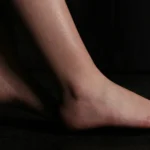
Burning feet at night can be caused by nerve damage, circulation problems, or diabetes. Learn why it happens and when burning feet can lead to diabetic foot wounds.
 A burning sensation in the feet at night can be uncomfortable, distracting, and even frightening. Many people describe it as tingling, stinging, aching, or feeling like their feet are on fire. For some, the sensation worsens when they lie down, making sleep difficult.
Burning feet are not a condition on their own. Instead, they are a symptom that something is affecting the nerves, circulation, or skin in the feet. While mild burning may come and go, persistent or worsening symptoms often point to an underlying issue that needs attention.
Understanding why your feet burn at night helps you recognize risk early and take steps to prevent complications. In some cases, burning sensations are an early warning sign that can lead to loss of sensation, skin damage, or wounds if ignored.
This guide explains common nerve and circulation causes of burning feet, how diabetes contributes to nighttime symptoms, and when burning sensations increase the risk of wounds and infection.
Nerve Causes of Burning Feet
Nerve problems are the most common reason people experience burning feet at night. Nerves carry signals related to touch, temperature, and pain. When they are damaged or irritated, those signals can become distorted.
Instead of normal sensation, the brain may interpret nerve signals as burning, tingling, or sharp discomfort.
Peripheral Neuropathy
Peripheral neuropathy occurs when nerves outside the brain and spinal cord become damaged. It most often affects the feet first because the nerves are long and more vulnerable to injury.
Peripheral neuropathy can cause:
- Burning or stinging sensations
- Tingling or “pins and needles”
- Sharp or shooting pain
- Sensitivity to touch
- Symptoms that worsen at night
Nighttime symptoms are common because fewer distractions make nerve sensations more noticeable. Lying down may also change blood flow and nerve pressure, increasing discomfort.
Neuropathy can develop slowly. Burning may be mild at first, then gradually worsen over months or years.
Why Nerve Pain Is Worse at Night
Many people notice burning feet mainly at night. Several factors contribute to this pattern.
At night:
- External stimuli decrease
- The nervous system becomes more aware of abnormal signals
- Body temperature may rise slightly
- Blood flow patterns shift while lying down
These changes make nerve-related burning more noticeable. Nighttime burning is especially common in people with long-standing nerve damage.
Loss of Sensation
As neuropathy progresses, burning pain may coexist with numbness. This combination is especially dangerous.
Loss of sensation can mean:
- Reduced ability to feel pain
- Difficulty noticing pressure or injury
- Delayed awareness of cuts or blisters
A person may feel burning in one area of the foot while being numb in another. This uneven sensation increases the risk of unnoticed injury.
Loss of sensation removes the body’s natural warning system, allowing damage to occur without immediate discomfort.
Circulation Problems in Feet
Circulation plays a major role in foot health. Healthy blood flow delivers oxygen and nutrients while removing waste products.
When circulation is impaired, nerves and skin become stressed, which can cause burning sensations.
Poor Blood Flow
Reduced blood flow to the feet may cause:
- Burning or aching pain
- Cold or pale skin
- Cramping
- Slow healing
Poor circulation is more noticeable at night because blood pressure changes and the feet are often at heart level or below.
Common causes of poor circulation include:
- Peripheral artery disease (PAD)
- Smoking
- Aging
- Chronic illness
When nerves do not receive enough oxygen, they may misfire, creating burning sensations.
Venous Circulation Problems
Veins return blood back to the heart. When venous circulation is impaired, blood and fluid pool in the lower legs and feet.
Venous problems may cause:
- Swelling
- Heaviness
- Burning discomfort
- Skin changes
Symptoms often worsen in the evening after standing or sitting during the day. Swelling and pressure can irritate nerves, increasing nighttime burning.
Diabetes and Burning Feet
Diabetes is one of the most common causes of burning feet at night. High blood sugar affects both nerves and blood vessels, creating a combination of problems that worsen over time.
How Diabetes Damages Nerves
High blood sugar damages nerves by:
- Disrupting nerve metabolism
- Reducing oxygen delivery
- Increasing inflammation
This leads to diabetic neuropathy, which often begins in the toes and spreads upward.
Burning feet may be one of the earliest signs of diabetic nerve damage.
Why Symptoms Often Start at Night
People with diabetes often report:
- Burning feet when lying down
- Tingling that disrupts sleep
- Pain that improves slightly with movement
These symptoms occur because damaged nerves struggle to regulate sensation when the body is at rest.
Nighttime symptoms may appear before visible foot problems develop.
Diabetes and Reduced Healing
Diabetes affects more than nerves. It also:
- Slows wound healing
- Weakens immune response
- Reduces circulation
This combination increases the risk that burning feet will eventually lead to skin breakdown and wounds if not addressed early.
When Burning Leads to Wounds
Burning feet are more than a comfort issue. Over time, nerve damage and circulation problems can set the stage for serious foot wounds.
Skin Breakdown Risk
Skin breakdown occurs when the skin’s protective barrier fails. In people with burning feet, this risk is higher because:
- Numbness reduces awareness of injury
- Poor circulation slows repair
- Dry skin cracks easily
- Pressure goes unnoticed
Burning sensations may distract from other warning signs, allowing small injuries to worsen quietly.
How Burning and Numbness Work Together
Burning pain and numbness often exist at the same time. This is especially common in diabetic neuropathy.
A person may:
- Feel intense burning at night
- Be unable to feel a blister or cut
- Continue walking on injured skin
Without intervention, repeated pressure and unnoticed injury can lead to ulcers.
Why Burning Feet Increase Nighttime Injury Risk
Burning sensations often peak at night, when feet are resting against sheets, blankets, or mattresses for long periods. This prolonged contact creates steady pressure on areas like the heels, toes, and outer edges of the feet.
For people with nerve damage, this pressure may not register as discomfort. Without pain as a warning sign, skin can become irritated or compressed for hours at a time. Over time, this increases the risk of redness, blistering, or skin breakdown.
Nighttime dryness also plays a role. Skin tends to lose moisture overnight, making it more prone to cracking. When burning sensations distract from early skin changes, small injuries can worsen before they are noticed.
Protecting feet at night—through gentle positioning, skin care, and regular inspection—helps reduce injury risk and supports long-term foot health.
How Nighttime Burning Changes Foot Pressure and Movement
Burning feet at night don’t just affect comfort—they can subtly change how a person moves, rests, and positions their feet. When burning sensations flare, people may rub their feet against bedding, press them into mattresses, or shift positions frequently to relieve discomfort. While these behaviors are understandable, they can increase friction and pressure on already vulnerable skin.
Repeated pressure in the same areas—especially the heels, toes, and sides of the feet—raises the risk of skin breakdown. Over time, this constant stress can weaken the skin’s protective barrier, making it easier for cracks or sores to form.
In people with reduced sensation, these pressure changes may go unnoticed. The burning sensation draws attention away from subtle injuries, allowing damage to progress quietly.
Why Heat Sensitivity Makes Burning Worse at Night
Many people with burning feet notice symptoms worsen when their feet feel warm. At night, body temperature naturally rises slightly, and bedding can trap heat around the feet.
Heat can:
- Increase nerve sensitivity
- Worsen inflammation
- Dilate blood vessels
- Intensify burning sensations
As feet become warmer, nerve signals may misfire more frequently, making burning feel stronger and more persistent. This heat sensitivity explains why some people feel relief when they uncover their feet or use cooling strategies.
However, extreme temperature changes—such as ice packs—can damage numb skin. Any temperature-based relief should be gentle and used with caution.
The Link Between Burning Feet and Callus Formation
Burning sensations can alter walking patterns. People may unknowingly shift weight to reduce discomfort, placing excess pressure on certain parts of the foot.
Over time, this uneven pressure leads to callus formation. Calluses are thickened areas of skin that develop to protect against friction—but in people with nerve damage, they can hide underlying injury.
Under a callus:
- Pressure builds
- Blood flow decreases
- Tissue can break down silently
Burning feet combined with calluses significantly increase the risk of ulcers, especially in people with diabetes. Regular inspection and early callus care help reduce this risk.
When Foot Wounds Develop Quietly
Foot wounds often develop without obvious pain. This makes them easy to miss until they become serious.
Early wounds may appear as:
- Small cracks
- Blisters
- Red or darkened skin
- Calluses hiding tissue damage
By the time pain increases, the wound may already be advanced.
Who Is Most at Risk
Burning feet are more likely to lead to wounds in people who have:
- Diabetes
- Long-standing neuropathy
- Poor circulation
- Foot deformities
- Reduced vision or mobility
Older adults are also at higher risk due to natural changes in skin thickness and healing ability.
How Burning Feet Affect Sleep and Daily Life
Chronic burning disrupts sleep, which affects healing and overall health.
Sleep disruption can:
- Increase pain sensitivity
- Worsen blood sugar control
- Reduce immune function
- Increase fatigue and stress
Poor sleep can indirectly increase the risk of wounds by slowing recovery and reducing attention to foot care.
Why Burning Feet Should Never Be Ignored
Burning feet are often the first warning sign of deeper problems. While symptoms may seem manageable at first, progression can occur silently.
Ignoring burning feet allows:
- Nerve damage to worsen
- Sensation loss to increase
- Skin breakdown risk to rise
- Wounds to develop unnoticed
Early evaluation helps prevent complications that are harder to treat later.
Why Burning Feet Can Delay Wound Awareness
Pain normally alerts the body to injury. Burning feet disrupt this system. Nerve damage can cause abnormal sensations while dulling normal pain signals at the same time.
This creates a dangerous mismatch:
- Burning discomfort feels intense
- Actual injuries feel minimal or absent
As a result, small wounds may go unnoticed until they become infected or deep. This delayed awareness is one of the main reasons foot wounds in people with burning feet often present at
advanced stages.
Routine visual inspection—not pain—is the most reliable way to catch early problems.
How Poor Sleep Worsens Foot Health
Burning feet frequently interfere with sleep. Poor sleep affects healing in multiple ways.
Sleep deprivation:
- Increases inflammation
- Slows tissue repair
- Worsens blood sugar control
- Increases pain sensitivity
Over time, poor sleep can make nerve symptoms worse and reduce the body’s ability to recover from minor injuries. This creates a cycle where burning disrupts sleep, and lack of sleep worsens burning and healing.
Addressing nighttime symptoms early supports both foot health and overall recovery.
Why Early Evaluation Prevents Long-Term Damage
Burning feet are often dismissed as “just nerve pain.” In reality, they are frequently the first visible sign of deeper nerve or circulation problems.
Early evaluation allows providers to:
- Identify neuropathy sooner
- Improve blood flow when possible
- Reduce pressure points
- Protect skin before wounds form
Once sensation is lost or ulcers develop, treatment becomes more complex and recovery takes longer. Acting while symptoms are limited to burning alone gives patients the best chance to
avoid serious complications.
What You Can Do Now
People experiencing burning feet can take steps to protect their foot health.
Helpful actions include:
- Checking feet daily
- Looking for redness, cracks, or blisters
- Keeping skin clean and moisturized
- Wearing well-fitting shoes
- Avoiding walking barefoot
- Reporting new or worsening symptoms early
Education and routine checks are powerful tools for prevention.
When to Seek Medical Care
Medical evaluation is important when burning feet:
- Worsen over time
- Interfere with sleep
- Occur with numbness or weakness
- Are accompanied by skin changes
- Occur in people with diabetes
- Lead to open sores or wounds
Early care reduces the risk of ulcers, infection, and long-term complications.
Key Takeaway
Burning feet at night are often caused by nerve damage, circulation problems, or diabetes. While symptoms may begin as discomfort, they can signal deeper issues that increase the risk
of wounds and infection.
Paying attention to early burning sensations—and acting before sensation is lost—helps protect foot health and prevent serious complications.
Concerned About Diabetic Foot Wounds?
If burning feet are affecting your sleep or you’ve noticed changes in sensation or skin, early evaluation can help prevent serious foot problems. Learn how diabetic foot wounds develop and when medical care is needed.
References:
Ferini-Strambi L. (2017). Neuropathic Pain and Sleep: A Review. Pain and therapy, 6(Suppl 1), 19–23.
Hammi, C., & Yeung, B. (2025). Neuropathy (Updated 2022 October 15). In StatPearls. StatPearls Publishing.
Zemaitis, M. R., Boll, J. M., Kato, M., et al. (2025). Peripheral arterial disease (Updated 2025 December 1). In StatPearls. StatPearls Publishing.
Mayo Clinic Staff. (2025). Diabetic neuropathy: Symptoms & causes. Mayo Clinic.
Spampinato, S. F., Caruso, G. I., De Pasquale, R., Sortino, M. A., & Merlo, S. (2020). The Treatment of Impaired Wound Healing in Diabetes: Looking among Old Drugs. Pharmaceuticals (Basel, Switzerland), 13(4), 60.